

Science Says This Heart-Healthy Juice Can Also Help You Poop

Along with exercise and other lifestyle choices, nutrition is a key to a healthy heart. A balanced diet can keep your heart running in top form and keep your other systems working optimally. While eating a variety of foods is important, there are some products that can help with more than one health goal at a time. One example of this is apple cider, a juice that can help protect your heart, protect your body's cells from damage, and even help you poop.
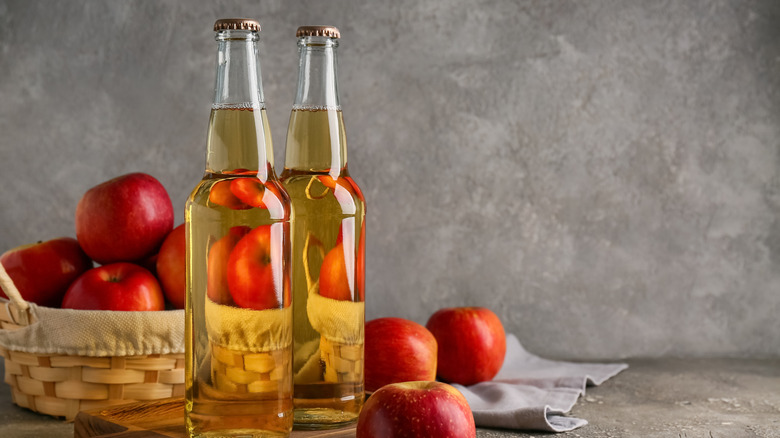
Apple cider is made from the juice of pressed apples. Unlike apple juice, cider is unfiltered, retaining some of the beneficial substances in apples. This lack of filtration is also what gives apple cider its characteristic cloudiness. One cup of apple cider typically contains 24 grams of sugar, half a gram of fiber, and approximately 250 milligrams of potassium. Apple cider is also a good source of polyphenols, which are compounds found in plants that act as antioxidants. Polyphenols help the body prevent damage to cells, which can reduce inflammation, lower your risk of cancer and diabetes, and slow down aging, much like this tropical fruit.
Apple cider's beneficial contents
Apple cider's potassium content can act like this popular supplement that can reduce high blood pressure, reducing the risk of cardiovascular disease. The drink also contains a soluble fiber called pectin that has been found to lower the risk of heart failure. Pectin is also helpful with digestion. Soluble fiber is a type of carbohydrate that the body cannot digest or absorb that forms a gel-like substance when mixed with water. This is in contrast to insoluble fiber, which does not dissolve in water. Both soluble and insoluble fiber help with digestion by helping feed friendly bacteria in your intestine and by adding bulk to stools and making them softer and easier to pass.
Apple cider can also help smooth muscles in the intestines relax. This can improve digestion and help with symptoms of irritable bowel syndrome, or IBS, a condition marked by abdominal pain and either constipation or diarrhea. Experts recommend that people who experience IBS should get enough fiber in their diet. They also recommend increased fiber intake to improve chronic constipation, something that affects around 12% of adults.
Facts about fiber
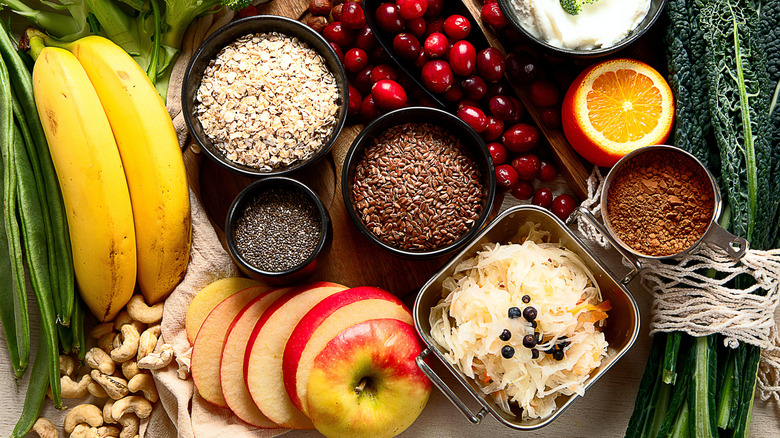
Constipation is defined by having a bowel movement fewer than three times a week or having poop that is hard, dry, and lumpy or difficult to pass. While fiber is known to help with bowel function, most people in the United States do not get enough fiber. Exact amounts vary depending on gender and age, but experts recommend an average consumption of 28 grams of fiber per day. Unfortunately, the average American consumes about half that much, meaning there is room for improvement.
With half a gram of fiber per serving, apple cider has more fiber than many drinks. Additionally, one serving of apple cider covers 7% to 10% of your recommended intake of potassium and contains beneficial polyphenols. However, relying on apple cider alone to get your daily fiber intake is a bad idea because its high sugar content of 24 grams per serving. But when included as a small part of a balanced nutrition plan, apple cider can help you poop and keep your heart healthy.