

The Fruit That's More Hydrating Than Watermelon
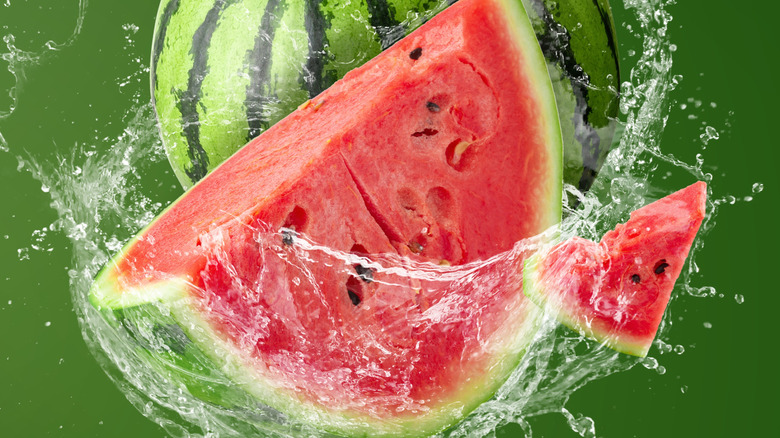
Watermelon is one fruit touted by experts for having numerous health benefits. Because it's packed with antioxidants and nutrients, this fruit can improve cardiovascular health, reduce inflammation, and possibly lower the risks of some cancers. One of its most well-known benefits, though, is hydrating the body. However, there's actually another fruit that has more hydrating power: the humble cucumber.
You might think of cucumbers as a vegetable, but botanically, they're actually a fruit because they contain seeds and develop from flowers. While wild cucumber vines are flowering plants with spiny seed pods, typical cucumbers that you grow in the garden or find at the store have either slightly prickly or smooth skins. The more surprising characteristic is that they are essentially 95% water (which means that pickles also have a high water content). By comparison, watermelons only have about 92% water.
According to recommendations from the Academy of Nutrition and Dietetics, about 60% of the human body is water. Keeping that composition is key to avoiding dehydration, which can lead to dizziness, digestion issues, headaches, and eventually heart and kidney problems if it's not addressed. Since cucumbers are so full of water, adding them to your diet can effectively support hydration.
Cucumbers are beneficial for more than just hydration
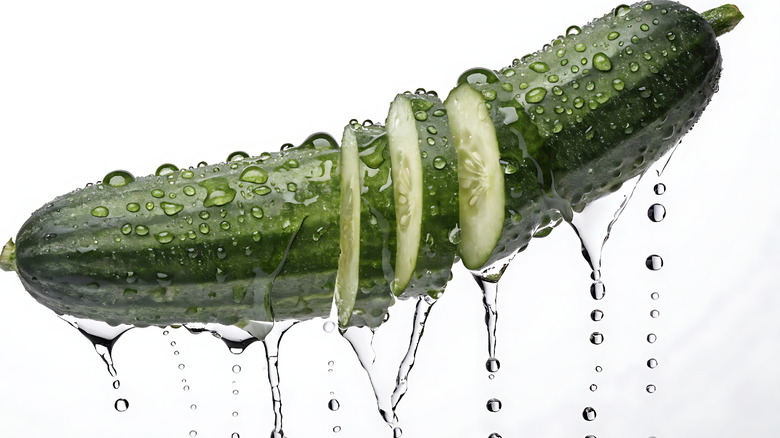
Just as there are many uses for watermelon rind, such as lowering blood pressure and boosting libido, cucumbers are more than just a good source of water to keep you hydrated. These fruits are full of antioxidants that protect your cells while reducing the risk of chronic disease. In particular, fisetin, an antioxidant found in cucumbers, has been found to have anticancer properties. Cucumbers also contain a lot of the compound cucurbitacin B, which has anticancer activity (per a study published in Pharmacological Research).
Additionally, cucumbers are rich in minerals and vitamins. Calcium and vitamin K strengthen bones and lower the risk of osteoporosis, while the low sodium and high potassium contents can improve heart health by lowering blood pressure. Research published in the Journal of Aging Research and Clinical Practice even found that the phytochemicals in cucumbers have digestive benefits, soothing properties, and may even slow cellular deterioration caused by aging. Plus, the fiber, low carbohydrate content, and low glycemic index can reduce the risk of type 2 diabetes by preventing blood sugar spikes and weight gain.
On top of that, some store-bought cucumbers are beneficial to more than just the human body. A study published in Frontiers in Sustainable Food Systems found that wrapping cucumbers in plastic has an unexpected effect on the environment. The wrapping reduces enough food waste that it outweighs the negative impact of the disposed plastic. Who knew?