

Long-Term Side Effects Of Ozempic That Aren't Widely Discussed
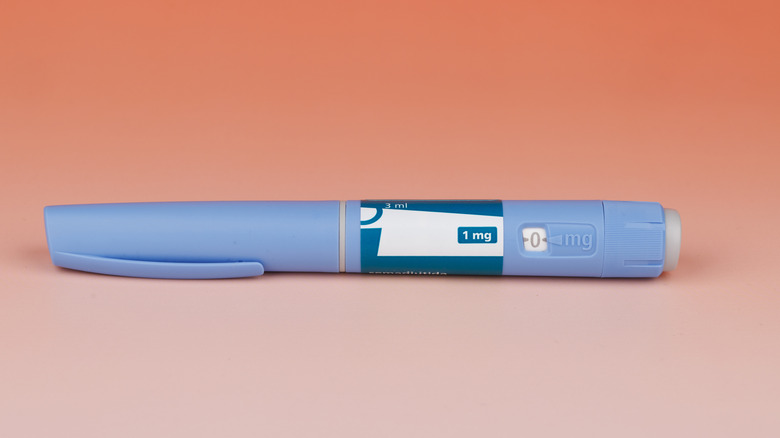
GLP-1–based weight loss drugs have experienced a boom in recent years. According to data from 2024, 6% of U.S. adults are currently prescribed a GLP-1, and 12% have used a GLP-1 medication at some point. These numbers are likely to continue growing, with estimates suggesting between 25 and 50 million U.S. adults could be on GLP-1s by 2030. Pharmaceutical companies have invested millions into advertising these drugs, with Novo Nordisk spending almost $500 million within the first nine months of 2025 to advertise their GLP-1 drugs, Wegovy and Ozempic. With such rapid and widespread use, many have lost sight of the potentially harmful side effects associated with GLP-1 use. Semaglutide, the active ingredient in both Ozempic and Wegovy, has a demonstrated correlation with pancreatitis, acute kidney injury, and non-arteritic anterior ischemic optic neuropathy (NAION), which can cause blindness.
Adverse side effects are a common risk among many prescription medications. However, the severity of these emerging risks is of particular concern. Ozempic works by binding to and activating the GLP-1 (glucagon-like peptide-1) receptor. This eventually leads to an increase in insulin production and secretion, which is an important hormone for homeostasis. These receptors are found throughout the body, including in the brain. Activation of these receptors in the brain leads to appetite suppression, which appears to be the primary mechanism of weight loss. This means that once someone stops taking the drug, their appetite returns, and the weight lost is typically regained. Additionally, nutrient deficiency could lead to negative health effects.
Severe adverse side effects associated with semaglutide use

Many of the adverse side effects associated with semaglutide are gastrointestinal. Although these are sometimes overlooked, they can become particularly severe. From 2018 to the first few months of 2022, there were 40 deaths related to semaglutide-induced adverse gastrointestinal effects. More commonly, reported adverse gastrointestinal side effects resulted in hospitalization, with approximately 43% of patients reporting gastrointestinal issues related to semaglutide intake requiring hospitalization.
Another reported adverse side effect is vision impairment from NAION. A 2024 study published in the Journal of the American Medical Association Ophthalmology observed the incidence of NAION among people who were taking semaglutide for either weight loss or type 2 diabetes management. Of those who were taking semaglutide for diabetes treatment, there was an incidence of 8.9% of NAION-related events, compared to 1.8% who were not taking any GLP-1–based medications. Diabetes is an established risk factor for NAION, so it is somewhat surprising that a similar trend was observed in the group without diabetes. Of the subjects taking semaglutide for weight loss, 6.7% experienced NAION, as opposed to 0.8% who were not taking semaglutide.
Semaglutide use is also associated with inflammation of the pancreas, an important organ involved in homeostasis. While some studies have demonstrated no greater risk compared to placebos, researchers argue that these studies did not measure semaglutide use over a long enough period. One case study revealed a patient who died after severe acute pancreatitis related to long-term semaglutide use.
Semaglutide misuse

As other potential adverse side effects emerge, more research is required to establish whether their relationship is correlational or causal. Of concern is the continued widespread use of GLP-1s in the absence of this determination. Approximately one-third of patients prescribed Ozempic did not have a history of diabetes, indicating they were taking the drug for alternative benefits, like weight loss. Wegovy, another semaglutide, was approved by the Federal Drug Administration specifically for weight loss, and its use has similarly skyrocketed. Largely, this trend has been driven by teens and young adults who were assigned female at birth.
It is important to note that weight is not a general reflection of health, as we have been frequently taught. However, we do know that people with higher body mass indices are more likely to face discrimination while seeking care and experience a delayed diagnosis of serious conditions. This stigma is a likely factor in semaglutide use.
Additionally, semaglutide use can contribute to problematic habits common with eating disorders. In fact, one study found that misuse of semaglutide is higher than other weight loss medications. Due to the appetite suppression capabilities of GLP-1s, some have found themselves restricting calories to a dangerous low. Some individuals have even reported a compulsion to severely restrict calories after beginning GLP-1 treatment. To reduce these risks, physicians should screen patients requesting GLP-1s for a history of eating disorders. Those taking these medications should also regularly work with a healthcare provider to ensure they are receiving proper nutrition.