

How Ozempic-Driven Weight Loss Could Affect Your Bone Density
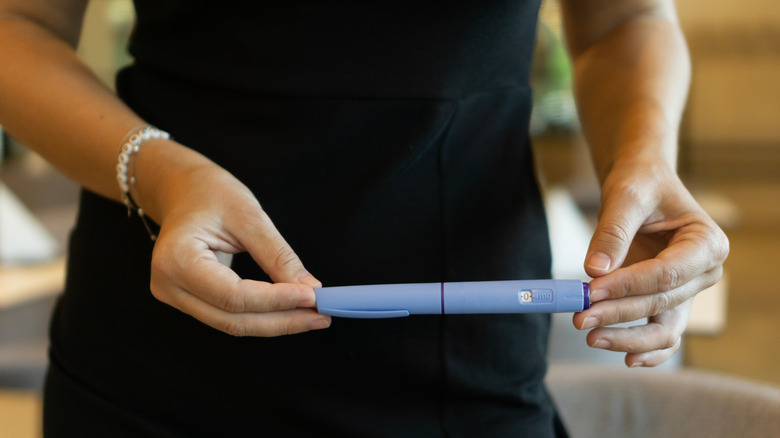
As glucagon-like peptide-1 receptor agonist (GLP-1) drugs like semaglutide (Ozempic, Wegovy) grow more popular for weight loss, there's a lot of information scientists are still discovering about the effects of these medications. The way GLP-1s work has been well-established, but people are understandably concerned about some of the possible risks, such as the Ozempic muscle loss phenomenon. Scientists are also trying to understand more about another issue that might affect some people who lose weight on GLP-1 medications: a loss of bone density.
Ozempic and other GLP-1 medications work by mimicking the effects of a hormone of the same name. These drugs can be prescribed for type 2 diabetes as well as for the treatment of obesity. They treat both conditions by increasing insulin production, regulating blood sugar levels, increasing satiety, and reducing the rate of digestion. Given these primary effects, it might not make sense how GLP-1s can affect bone density. Yet this is an emerging area of research that scientists are beginning to uncover among people who lose weight with the help of these drugs.
Also called bone mass, bone density describes the measurement of minerals like calcium in your bones. The more vital minerals your bones contain, the denser and stronger they are. Since bones are composed of tissues, they go through a cycle in which old bones break down and are replaced with new ones (bone remodeling). With low bone density though, your body might not be able to adequately replace old bone, resulting in thin and brittle bones.
Possible connections between GLP-1s and bone health
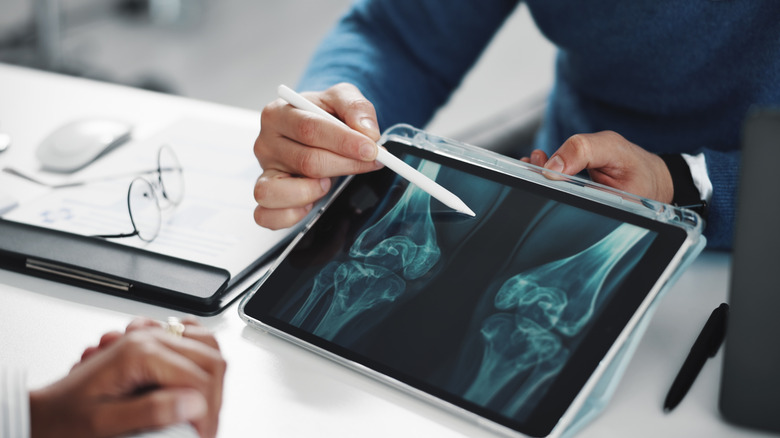
Any possible relationship between GLP-1s like Ozempic and bone density is not clear-cut. Right now, the effects on reduced bone mass are most likely due to weight loss itself, especially rapid weight loss. Another contributor is the loss of muscle mass, which can also impact bone density. Even unintentional weight loss after a severe illness can have similar effects.
Still, GLP-1s are getting a lot of attention because of their popularity and their impacts on weight. One 2025 review in Osteoporosis International found that GLP-1s enhanced bone remodeling and also decreased bone mineral density over time, leaving the authors to raise questions over the possibility of future bone fractures. More recently, a study presented at the annual meeting of the American Academy of Orthopaedic Surgeons (AAOS) in March 2026 indicated an increased risk of osteoporosis and osteomalacia (bone softening) after five years of taking GLP-1s.
Curiously, this isn't the only way Ozempic and other GLP-1 drugs can affect bone density. There's also the possibility that the weight loss medications could temporarily improve bone mass because of the way they can decrease underlying inflammation that could contribute to bone problems. While decreased inflammation could possibly be protective, bone density problems can still occur when you lose weight too quickly. Furthermore, per the AAOS findings, more human studies are needed to fully understand the connections between GLP-1s and bone problems.
Preserving bone density while taking GLP-1 drugs

Until scientists one day discover a way to reverse osteoporosis, preventive measures are the best approaches for bone health. Given the potential impacts on bone density from GLP-1–induced weight loss, it's important not to lose too much body weight in a short amount of time. Regardless of the underlying cause, preserving bone mass early in life might also help prevent severe long-term complications, such as osteoporosis.
Work with a doctor to develop a weight loss plan tailored to your needs, including one that might reduce your risk of bone density issues if you are considered a high risk. One 2025 clinical review in Biomolecules reported people who take GLP-1s as obesity treatments lose an average of 15% to 25% of their body weight after the first year. But if you're going to lose that much weight, a more gradual rate of around 1 to 2 pounds per week is considered safest. On top of all that, there are also other long-term side effects of Ozempic to consider before taking these medications.
Healthcare professionals typically advise GLP-1 patients to adopt an exercise program that includes weight-bearing exercises. These can help preserve both muscle and bone mass. It's also important to obtain adequate nutrients that support bone density, especially if you're eating less while taking GLP-1s. Calcium and vitamin D are particularly important for bone health. While more research is needed on the possible effects of GLP-1s on bone density, taking these steps is thought to help promote overall bone health while on GLP-1s.