

Offshore Oil Drilling Is Doing A Lot More To The Ocean Than Just Polluting The Water
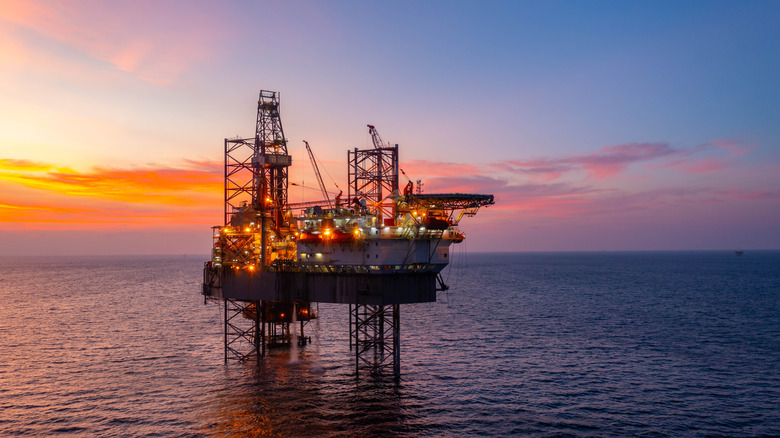
Few industries are as controversial as offshore drilling, with its proponents extolling the enormous economic and development benefits and its opponents decrying the detrimental effects on the environment. The economic benefits of offshore oil and gas extraction are undeniable, accounting for 34% of the annual US$1.5 trillion brought in by the entire ocean economy (all economic activities related to the ocean). Less well known are the exact negative impacts of this industry beyond a general sense that it is polluting the ocean.
According to an article published in Energy Sciences and Social Science by a team of marine scientists and policy experts, there are four major effects of offshore oil and gas extraction. Firstly, offshore drilling can impact marine habitats and life. Secondly, it may have effects on small-scale fisheries and other industries that depend on the coast. There are also policy and governance implications of offshore drilling, including disputes over the ocean and coastal territories occupied by the oil rigs and infrastructure that need to be built to support the industry. Another impact is on the complex governance of the marine areas and resources, as well as the need to responsibly govern these resources to ensure sustainability.
Impact on marine habitats and life
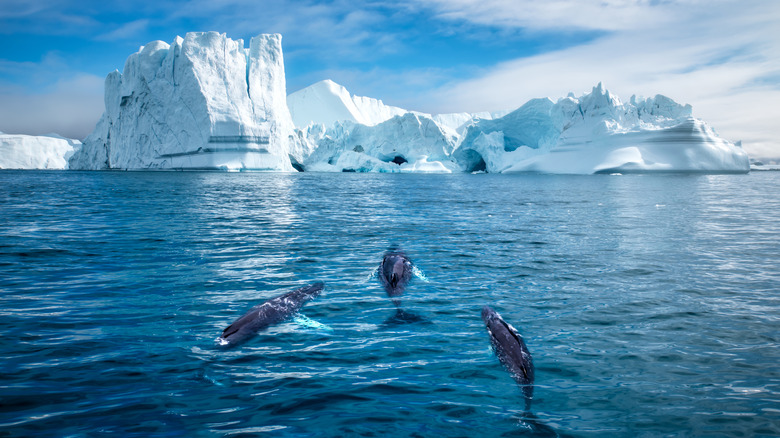
Many aspects of the offshore oil and gas industry have the potential to impact marine environments and the life in these environments, including marine mammals such as whales. As described by the Marine Mammal Commission, a U.S. government organization, the negative impacts of offshore drilling on marine mammals are widespread. Starting with oil and gas exploration activities, the seismic surveys conducted to probe the depth and features of the ocean floor employ high-energy, low-frequency sound waves. These sound waves can interfere with marine mammal behaviors, including masking communication sounds between whales. These disruptions are similar to the effects of offshore wind farms, which are doing a lot more to the ocean than scientists expected.
Once drilling starts, the setting up of infrastructure in the ocean can alter the habitats on the ocean floor and disrupt the distribution of prey, which affects marine mammals. Pile driving during construction of the oil rigs produces low-frequency sound waves that can affect marine mammal communications. Also, planes and ships used to bring construction supplies to the rigs may scare off marine mammals, causing them to abandon or avoid good habitats. After the oil rigs are built, drilling for oil and gas continues to disrupt the marine environment, prey, and marine mammal behavior. In addition, although rare, oil spills and explosions can occur, such as the one that affected the Deep Water Horizon rig, resulting in the release of enormous amounts of oil in the surrounding ocean and causing injury to marine mammals by means of direct contact, inhaling, or consuming the oil, as well as affecting their habitats.
Impact on coastal communities and governance
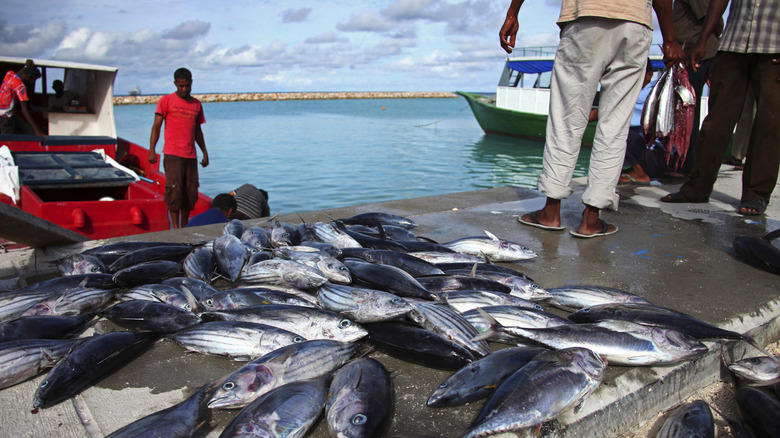
When considering the impact of offshore drilling on the ocean economy, researchers and economists use the term "blue economy" as a preferred way forward. Interestingly, there is a reason behind the blue color of the ocean from which the term is derived. The blue economy is all about sustainable and fair economic development related to the ocean, including fisheries, tourism, and oil extraction.
But small fishing operations and coastal fishing communities are especially vulnerable to outside influences. Offshore drilling may be related to a reduced diversity in marine fish species, which may result in lower and less sustainable fishing incomes for the hundreds of millions of people who depend on fishing for their livelihoods. Oil rigs and their support infrastructure also reduce the ocean areas available for fishing.
This begs the question, "Who governs the ocean anyway?" A London School of Economics article states that a coastal country has a high degree of control over its "Territorial Sea," which extends 12 nautical miles out to sea from its coastline. Coastal countries can also exploit, manage, and conserve resources in the "Exclusive Economic Zone," extending up to 200 nautical miles out to sea. The rest of the ocean, called the "High Seas" (one of a list of ocean ecosystems), is governed by treaties such as the High Seas Treaty, which aims to designate 30% of the ocean as Marine Protected Areas. Another treaty is the United Nations Convention on the Law of the Sea, which mandates responsible governance of marine resources. Some people worry that, because of its large economic benefits, offshore drilling may have an outsized impact on these treaties and the way that countries govern their waters.