

The Baby Boomer Habits Linked To Poor Cognitive Health

The cognitive health of baby boomers appears to be on the decline, and it's not just because they're aging. New research from The Ohio State University suggests that baby boomers exhibit lower cognition scores, on average, compared to previous generations. Overall, it appears poor diets and poor exercise routines have had a big role in bringing the generation's average scores down. These findings add to a larger body of research that has demonstrated the connections between the health of the gut and the health of the brain. Baby boomers, on average, have a habit of not taking care of either.
Of course, there are baby boomers who have excellent cognitive health, and many actively maintain sharp mental prowess, even as they enter their 70s, 80s, and beyond. For example, boomers are more likely to engage kindly with others in social activities, a habit that boosts their overall health, and that has been shown to slow age-related cognitive decline. They are also proponents of outdoor play, with many choosing to spend time outside and advocate for healthy risk-taking for developing children — an old-school baby boomer habit that's backed by science. In general, however, most baby boomers get inadequate exercise and make poor dietary choices.
The trend of poor dietary choices may have its roots in history. As the baby population in the United States "boomed" in the '50s, so too did cheap, high-calorie food options. At this time, the United States was able to mass-produce food at extremely cheap prices, largely thanks to the financial and military success of WWII. The downside, however, is that these low-cost sugars and fats are typically highly processed, stripped of their nutrition and fiber. Add to that the rise of fast-food options that could be delivered right to your door, and poor gut health became a widespread habit among the people who grew up during an age of easy access.
Why a poor diet can accelerate cognitive decline with age
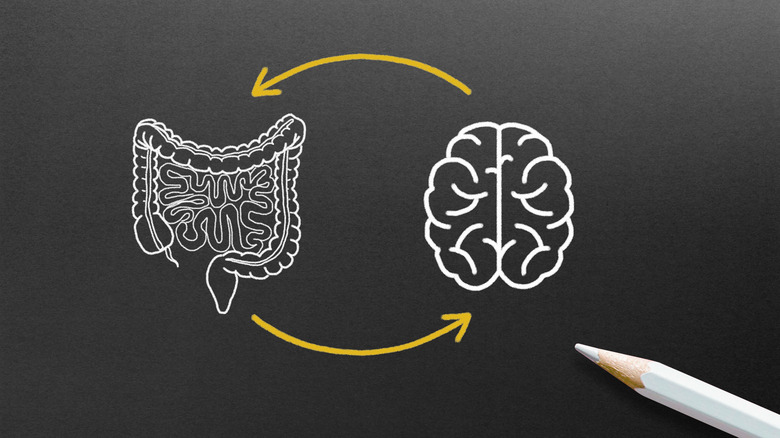
The American diet is mostly composed of overly-processed foods, and boomers lead the charge. Fiber is critical to a healthy gut, but too many Americans regularly consume heavily processed foods that are bereft of fiber. For example, white bread is more processed than wheat bread, and it has far less fiber as a result. Obviously, stripping a plant of all of its fibrous bits reduces its dietary fiber content. What baby boomers didn't expect from the tasty, cheaper food options was that the microbes in the human gut can't process food properly without fiber, and without triggering an inflammatory response.
Gut microbes need fiber to synthesize into beneficial compounds. Without it, they enter the blood stream and become toxic to tissues. As these toxins permeate the body, the immune system responds by increasing inflammation, including in the brain. When you eat ultra-processed foods every day, (and for decades, as in the case of boomers), body-wide inflammation can be chronic, as long as the diet is maintained. Chronic inflammation may explain why boomers also have above-average rates of heart disease, obesity, diabetes, and it may also prove to be the smoking gun in understanding why their cognition is falling faster than their parents'.
But diet is just one reason why so many baby boomers have chronic inflammation. Exercise also plays a big role in maintaining a healthy gut and a healthy immune system, and it certainly ties in with the too-much-sugar problem. Tellingly, drugs for treating diabetes have been linked to slower cognitive aging, which highlights how important our digestive systems are for keeping our brains healthy. Fortunately, it's not too late for baby boomers. Eating healthy and staying active are the best habits to have.