

America Discovered It In The '70s – Canada's Latest Research Could Change Everything
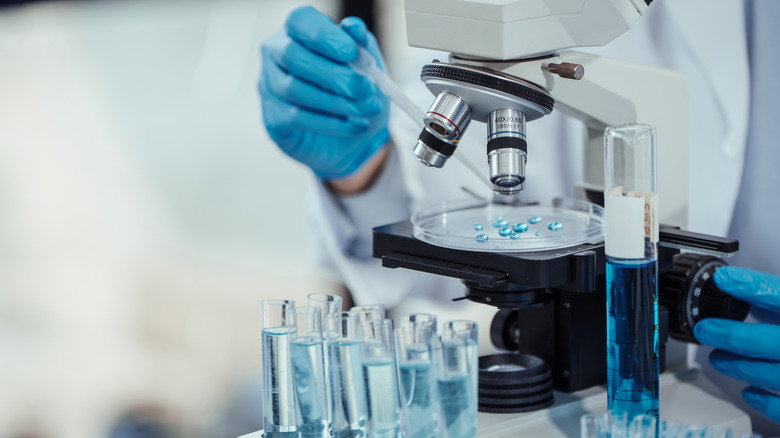
Every year, scientists make amazing discoveries across a variety of fields, and bioengineered skin has an interesting history. The concept of growing epithelial cells in a culture and transplanting it was first put forward in a paper published in The Journal of Investigative Dermatology in 1970 by Maryland-based scientists. At the time, the research involved mice and was intended for use on patients who didn't have enough unwounded donor sites on their bodies for grafting. Four years later, scientists in Ohio published a study in Archives of Surgery of rabbit skin grafting from tissue cultures. It wasn't until 1981, though, that using cultured epithelial autografts (CEAs) on burn patients was described in The Lancet by researchers from Massachusetts.
The same decade, the Laboratoire d'Organogenèse Expérimentale (LOEX) in Quebec City started working on CEAs. By 1999, though, its researchers published a paper in In Vitro Cellular & Developmental Biology describing a new self-assembled skin substitute (SASS). This autologous bilayered skin substitute doesn't get structural support from a scaffold in the laboratory. Ever since, Canadian scientists at LOEX have been working to improve bioengineered skin technology, which has (so far) culminated in genetically modified epidermolysis bullosa self-assembled skin substitute (GMEB-SASS). They believe that this new skin graft is effective at enhancing wound healing and are currently conducting and recruiting the first phase of a clinical trial sponsored by the CHU de Québec-Université Laval Research Center.
Why bioengineered skin is so important and how GMEB-SASS works
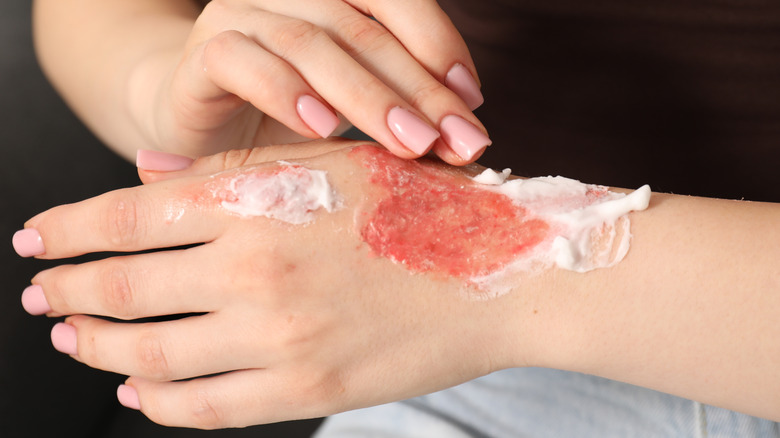
As the biggest organ in the body, the skin accounts for about 15% of a person's body weight. With that perspective, it's an incredible fact that the skin can regenerate on its own when it's wounded — sometimes so well that no scar is left. But there are cases when wounds simply struggle to heal or don't heal at all, becoming a source of discomfort and increasing the risk for other health issues to develop. In other cases, certain genetic conditions make people susceptible to wounds. Meanwhile, burn victims can suffer such high-surface-area burns that typical treatment options just aren't efficient for recovery. That's why regenerative medicine and bioengineered skin are so important, and Canada aims to lead the way.
The bioengineered skin developed by LOEX is aimed to help people with recessive dystrophic epidermolysis bullosa. As a genetic condition, RDEB makes the skin fragile and prone to blistering in response to friction or minor injury. GMEB-SASS is grown from living cells and genetically modified in the lab to integrate with a patient's skin after grafting. Using the self-inactivated (SIN) COL7A1 vector (the gene associated with RDEB), the scientists expect the bioengineered skin to rejuvenate a functioning dermo-epidermal connection. Except for the genetic modification, producing GMEB-SASS is similar to the SASS 2 that LOEX is also using in clinical trials for burn victims and is based on the ability of the cells to produce and organize 3D tissue in vitro.