

The Common Poop Myth That Can Actually Make Constipation Worse
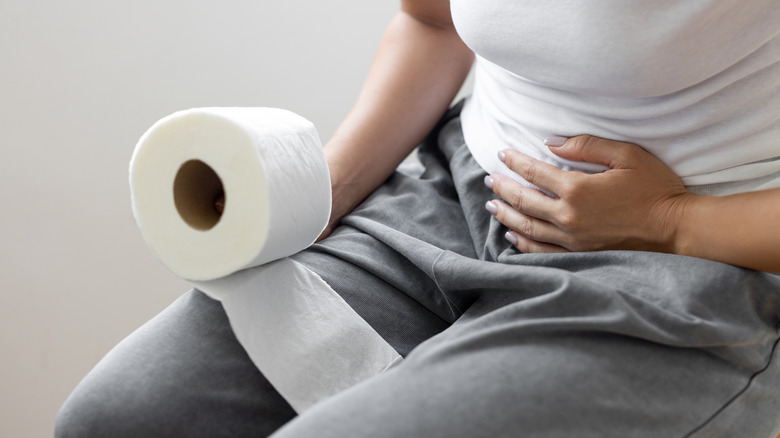
Bowel movements can paint a picture of your overall health, but it's also common for people to experience constipation at some point during their lives. Constipation itself is defined as having fewer than three bowel movements in a given week, as well as experiencing hard stools that can be difficult to pass. Needless to say, constipation is uncomfortable (and can even be painful at times), and you understandably want to do what you can to help get back to your normal bowel patterns. One commonly used strategy is to increase fiber intake. However, it's a myth that a substantially increased fiber intake automatically fixes constipation, and doing so might actually make things worse in some cases.
There are many poop-related myths debunked by science, such as the "brown note" poop myth. Yet another common myth is that eating a lot of fiber at once can quickly ease constipation. Fiber itself is a plant-based substance that's found in vegetables, fruit, legumes, and whole grains. It naturally adds bulk to your digestive tract, which can help regular bowel movements and may even help reduce the risk of colon cancer, diabetes, and heart disease. The exact recommended daily intake varies by age and gender. Most women need at least between 21 and 25 grams of fiber per day, while men need 30 grams to 38 grams. However, the majority of U.S. adults only get between 10 grams and 15 grams per day, according to Harvard Health. This can partly explain why some adults may experience constipation from time to time, but it's not the only cause.
Why fiber might worsen some cases of constipation
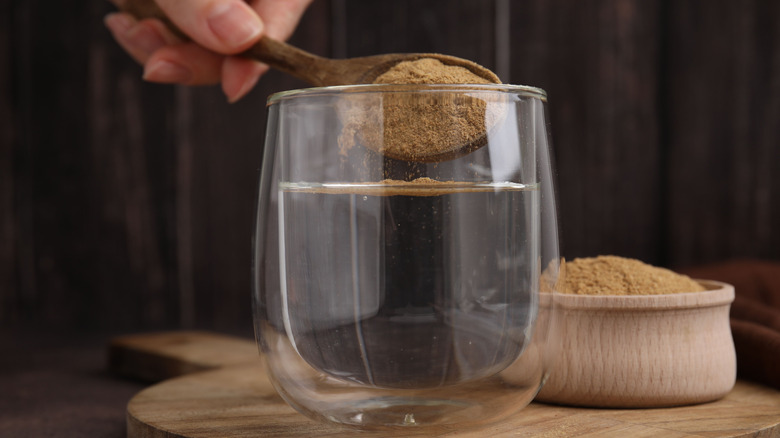
Getting enough fiber in your diet on a regular basis may help prevent constipation, and sometimes adding extra sources of this plant material can offer relief from occasional symptoms. In general, fiber can bulk up stool and soften it for easier passage. Given its importance in bowel regularity, it might not make sense that adding more fiber in the diet could worsen constipation. The reason why is quite straightforward –- increasing your fiber intake too much at once can make constipation worse by creating a further backup in the digestive system. On top of this, you might experience additional discomfort during the process, such as abdominal pain, bloating, and excess gas.
Another contributor to the ongoing myth about fiber for constipation is a misunderstanding about constipation itself. Rather than being a disease that can be treated with a one-size-fits-all solution, constipation is actually a symptom associated with many factors and conditions. Sometimes constipation can be a short-term issue from stress, or from taking certain medications or supplements. Constipation is also a symptom of more long-term functional gastrointestinal disorders and related autoimmune conditions. Examples are irritable bowel syndrome with constipation (IBS-C) and inflammatory bowel disease (IBD).
Hypothyroidism can also cause constipation. While eating more fiber might help, doing so doesn't treat the underlying thyroid hormone imbalance causing constipation to begin with, nor does it improve the functions of thyroid-stimulating hormone.
When it comes to fiber, balance is key to preventing constipation
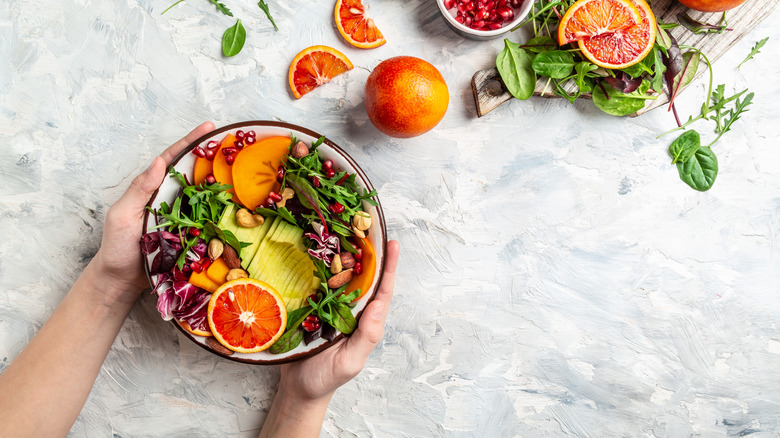
Experiencing constipation doesn't mean you should skip out on fiber entirely. In fact, adding in some extra fiber can be helpful in cases of occasional constipation. Anyone looking to boost their fiber intake can minimize digestive discomforts by doing so on a gradual basis –- whether they are currently constipated or not. It's also important to drink plenty of water during this process to help stools move more smoothly through the digestive tract. Too much fiber and not enough water can ultimately make stool too bulky and difficult to pass because of the large intestine's role in removing water from poop before it exits the body.
If you suspect you've eaten too many fiber-rich foods or taken too many fiber supplements in a short amount of time, your digestive system may actually benefit from a decreased fiber intake for a few days. After this point, a doctor or dietitian may then give the go-ahead to gradually increase your dietary fiber intake over the course of a few weeks, per Mayo Clinic. Exercising can also increase gut motility, as can drinking hot caffeinated drinks such as tea and coffee. (It turns out that coffee may be one of the best drinks for healthy aging, too.)
Finally, it's important to see a doctor for ongoing or chronic constipation despite dietary changes. Not only might they recommend the right over-the-counter treatments, such as stool softeners, but they can also help determine the underlying cause of constipation. Depending on their findings, they may order tests to rule out more long-term issues that could be causing abnormal bowel movements, such as IBS or IBD.