

The Spicy Culprit Linked To The Latest Salmonella Outbreak Causing Explosive Diarrhea
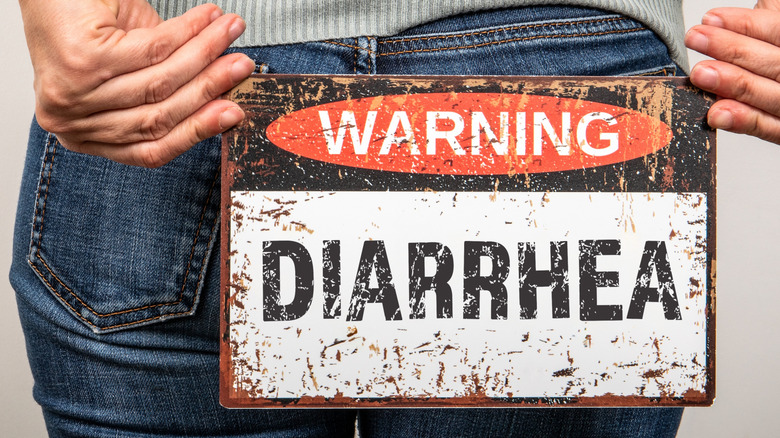
According to the CDC's FoodNet Fast pathogen surveillance, some foodborne infections have increased in number since 2020. Confirmed cases of Cyclospora and Salmonella infections have specifically risen from 2020 to 2024. And, on the heels of iceberg lettuce being the everyday kitchen culprit suspected of spreading the Cyclospora parasitic outbreak in June and July 2026, the CDC and FDA have been investigating a multistate outbreak of explosive diarrhea believed to be caused by jalapeño peppers contaminated by Salmonella.
Based on collected data, public health and regulatory agencies announced on August 5 that an outbreak of Javiana, a serotype of Salmonella enterica, has been linked to jalapeño peppers grown in Sinaloa, Mexico. The jalapeños were distributed to restaurants and food service companies by Coast Citrus Distributors. Some of that produce made its way to Chipotle (which switched suppliers) and Qdoba (which stopped using the peppers), and some was used in products sold to grocers like Albertsons, H-E-B, Kroger, and Walmart, all of which were recalled and pulled from shelves on August 9.
It appears that the outbreak started around June 14, and the first illness was reported on June 19. With illnesses reported through July 20, the Salmonella-contaminated jalapeños have been connected to 345 cases across 27 states. This pathogenic infection can cause symptoms within 12 to 72 hours, which usually include abdominal cramps, diarrhea, and fever. In severe cases, such as the 36 hospitalizations related to this outbreak, infected individuals can expect diarrhea for more than three days (or bloody diarrhea), vomiting, dehydration, and fevers higher than 102 degrees Fahrenheit.
How jalapeños could have been contaminated with Salmonella Javiana
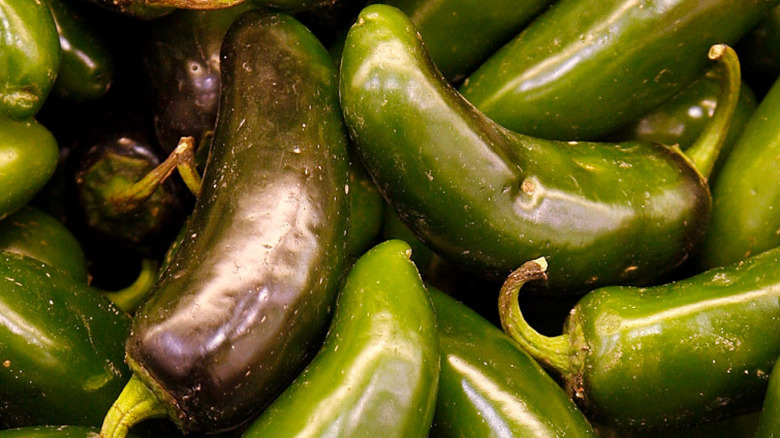
When Salmonella comes to mind, the first thing you might think of is contaminated meat or seafood. Fruits and vegetables are also frequently linked to pathogenic infections. While many different types of this bacteria affect food, Salmonella Javiana has been found on cheese, herbs, melons, tomatoes, and jalapeños, the latter of which actually has a long history with the bacteria. It was associated with about 6% of S. enterica outbreaks in 2016, according to a study published in Food Microbiology. How does the contamination occur, though?
Salmonella is a naturally occurring bacteria that lives in the gastrointestinal tracts of numerous animals and humans, and it can contaminate produce in various ways. A systematic review published in PLOS One found that the bacteria is one of the kinds of things that pollute water used to irrigate, where it can enter the flowers, roots, and scars on the stems and skins of fruits and vegetables. In fact, Salmonella is one of the microorganisms found in sewage that can make its way into irrigation water (per a study published in Environmental Health and Exposome). Also before harvest, improperly treated manure and animals intruding onto farmland can leave the bacteria behind.
Produce like jalapeños can be contaminated after harvest as well. The causes can range from inappropriate handling at processing facilities to inadequate storage during transport to poor sanitation throughout the process of harvesting, packaging, and distributing the produce. Unfortunately, rinsing jalapeños with tap water isn't enough to get rid of Salmonella, and it's best to trash fresh peppers that you suspect are contaminated rather than try to clean and eat them.