

The Deadly Flesh-Eating Bacteria Outbreak That's Plaguing US Beaches
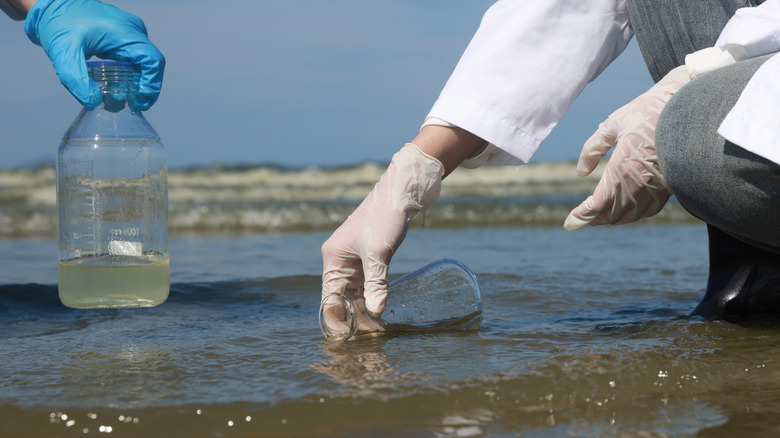
Swimming is practically synonymous with summer, with people flocking to pools and beaches for fun in the sun. However, these waters aren't always safe. Cryptosporidium is the parasite that causes profuse diarrhea every year because it often contaminates pool water, while some beaches are safer than others because of rip currents, polluted water, and harmful algal blooms. Another potential danger that could lurk in come beach water is Vibrio vulnificus, which is commonly referred to as a flesh-eating bacteria currently plaguing Florida and Louisiana beaches.
V. vulnificus is a bacterium that naturally occurs in brackish, warm seawater. Periodically, it becomes a problem near beaches following storms and severe weather events like flood waters and hurricanes. The severity fluctuates with those incidents, too. For summer 2026, the Florida Department of Health has confirmed 14 cases of infection (vibriosis) and two deaths from V. vulnificus. That's low, so far, compared to previous years. Over the last decade, state authorities recorded the highest number of cases and deaths — 82 and 19, respectively — in 2024, exacerbated by Hurricane Helene. Meanwhile, the Louisiana Department of Health has confirmed nine cases and five deaths so far this summer but only reported seven cases in 2024 (per the Centers for Disease Control and Prevention).
Generally, V. vulnificus outbreaks vary from year to year, affecting state beaches along the Atlantic, Gulf, and Pacific Coasts. A 2023 study published in Scientific Reports also found that the number of overall infections is increasing as climates warm and the bacteria spreads farther north — about 30 miles per year.
How Vibrio vulnificus infects humans and why it's life-threatening
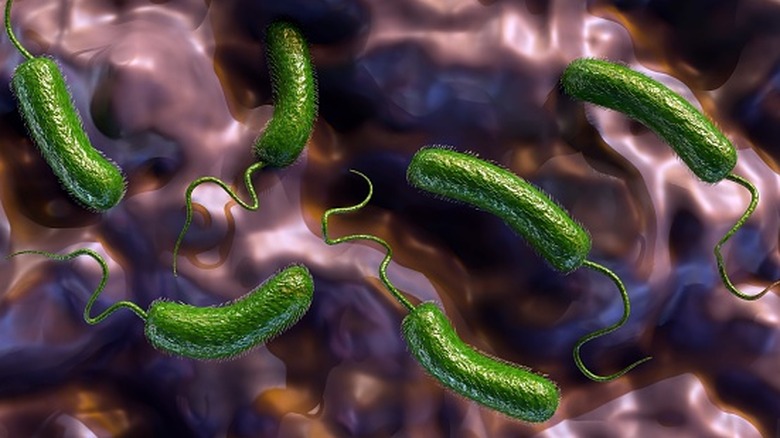
Since V. vulnificus thrives in brackish, warm coastal water, there are two main ways that it can infect humans, causing vibriosis. One way is through the contamination of raw and undercooked shellfish, primarily oysters, and fish. The problem is that you can't tell if the seafood you're eating contains the bacteria just by looking, smelling, or tasting it. The second method of transmission is through direct contact. If you have a wound that comes into contact with contaminated seafood or water, the bacteria can get into your body that way.
Based on the CDC's 2024 records, only 6.5% and 7.5% of vibriosis cases from V. vulnificus were possible foodborne and confirmed foodborne transmissions, respectively. Possible non-foodborne and confirmed non-foodborne transmissions accounted for 21% and 44% of cases, respectively. The transmission route for the rest of the 2024 cases was unknown.
When the bacteria are ingested, vibriosis presents with gastrointestinal symptoms like nausea, stomach cramps, watery diarrhea, and vomiting — usually 16 hours or less after eating the contaminated seafood. The infection can quickly become life-threatening, though, when the bacteria come into contact with a wound. That's when it can lead to necrotizing fasciitis, a "flesh-eating disease" that could be one of the most disturbing ways to die.
In either case, V. vulnificus bacteria release exotoxins that destroy cells, allowing the bacteria to enter the bloodstream where it can cause septic shock. Individuals with compromising health conditions (like cancer, diabetes, and liver disease) are at the highest risk. Overall, about 20% of individuals who get seriously ill and require intensive care die within a day or two of exhibiting symptoms.