

Scientists Say This Health Aspect Could Reduce Life Expectancy More Than Smoking

Since the medical and scientific communities recognized that cigarettes cause lung cancer in the 1940s and '50s, a lot of research has been conducted on smoking and its effects on the lungs. A study published in The New England Journal of Medicine also found that smoking shortens human life expectancy the longer that people do it — by as much as 10 years or more. Of greater concern, though, is that some mental illnesses exceed that life expectancy reduction.
In 2014, researchers at the University of Oxford published a meta-review in World Psychiatry to explore the risks of suicide and all-cause mortality across 20 papers involving over 1.7 million individuals. They found that a wide range of diagnoses were capable of shortening life expectancy on various levels. However, several did so by about the same amount or more than heavy smoking (at least 20 cigarettes per day): recurrent depression by seven to 11 years, bipolar disorder by nine to 20 years, alcohol and substance abuse by nine to 24 years, and schizophrenia by 10 to 20 years.
With similar findings, a meta-analysis published in The British Journal of Psychiatry in 2022 reported a nearly 13-year average years of potential life lost (YPLL) among individuals with bipolar disorder. Another meta-analysis published in eClinicalMedicine in 2023 reported that the average YPLL was about 15 years for personality disorders and schizophrenia, a little over 16.5 years for eating disorders, and around 20 years for substance-use disorders. That paper followed the 2023 Advisory on the Healing Effects of Social Connection and Community from the Office of the U.S. Surgeon General that reported loneliness as a Gen Z epidemic that might kill you faster than drinking and smoking.
Why mental illness shortens life expectancy and a call for better care
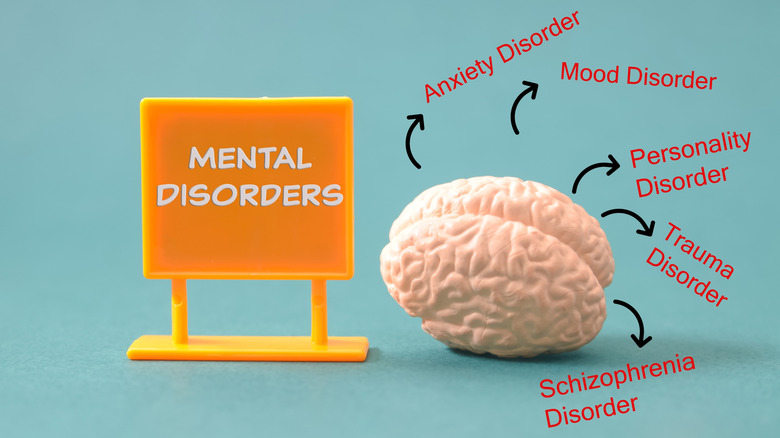
A University of Oxford professor of forensic psychiatry and co-author of the World Psychiatry review paper, Dr. Seena Fazel, explained in a press release that there could be multiple reasons mental illnesses reduce life expectancy. "High-risk behaviours are common in psychiatric patients, especially drug and alcohol abuse, and they are more likely to die by suicide," he noted, adding that many people probably don't get the same quality treatment for mental health as they do for physical health because of the stigma that surrounds such conditions. Dr. Fazel also said that one issue is the frequent separation of mental and physical ailments. However, these ailments are often intertwined, with mental illness known to worsen the prognosis of diabetes, cancer, heart disease, and other physical illnesses.
Many experts agree that a multipronged approach is needed to improve the care and access to care for individuals with mental health conditions to reduce premature mortality and extend life expectancy. Preventing and stopping smoking has been made a priority, and experts believe the same efforts should be applied to mental health research and innovation. Beyond drug treatments, it's important that individuals with mental health illnesses have meaningful daytime activities. For instance, scientists say journaling can boost long-term mental health, while making phone calls instead of texting is the baby boomer habit science has linked to better mental health. These should be combined with quality physical care, including interventions for proper diet and exercise.