

Why You Shouldn't Trust Your Eyes (And Nose) When It Comes To Food Safety
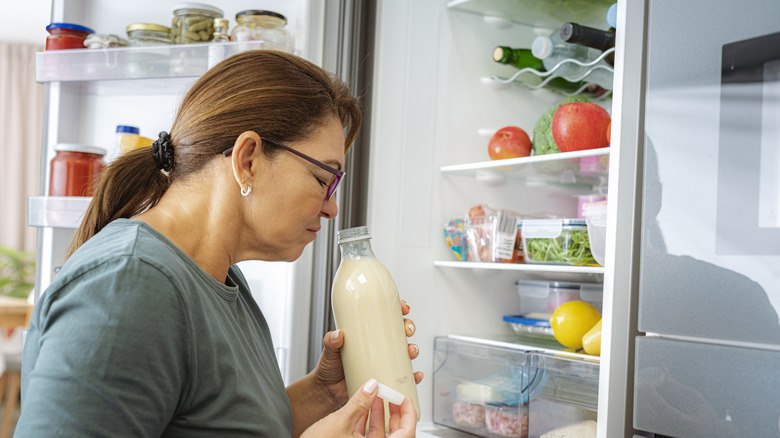
When in doubt, throw it out. That little rhyme is what food safety experts say the public should remember to keep themselves safe. Expiration, sell by, and best by dates provide guidance in many situations, and following these recommendations and some basic food safety rules can help reduce your chances of getting foodborne illness. But while it might make sense to rely on your eyes and nose to tell you whether something is safe to eat, experts caution that you shouldn't trust your senses.
Food that has become discolored, moldy, slimy, or smelly has likely spoiled. Spoilage is caused by bacteria and fungi and these signs are the result of gases, acids, and other products these microbes produce. However, while spoiled foods look and smell gross, the bacteria responsible for spoilage won't typically make you sick. In contrast, the germs that cause foodborne illness often don't produce any signs that you can see, smell, or taste, but in large enough amounts they can make you very sick. A quick look or sniff can tell you if something has spoiled, but when it comes to food safety, sight, smell, and taste are next to useless. In fact some recent serious foodborne illness outbreaks resulted from consuming foods that seemed perfectly normal.
Staying out of the danger zone
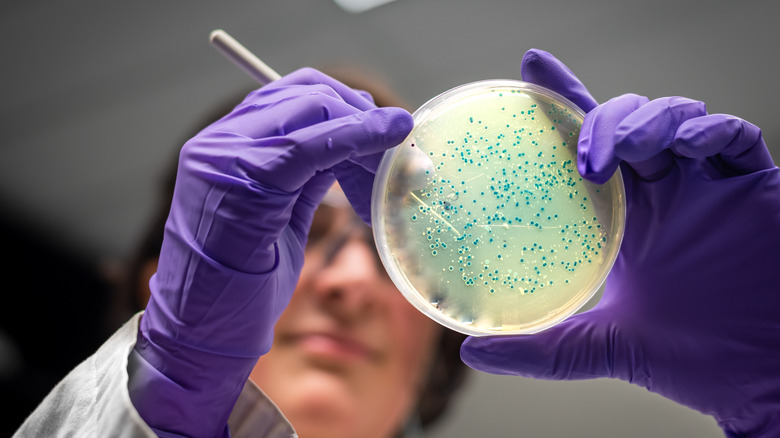
The most reliable indicator when it comes to food safety is storage time and temperature. Many of the bacteria that cause food spoilage can grow at refrigerator temperatures. However, most pathogens grow best at room temperature. Germs like Salmonella, Clostridium perfringens, and Escherichia coli are extremely active between 40 and 140 degrees Fahrenheit, a temperature range that food safety researchers refer to as the danger zone because it is ideal for bacterial growth.
Bacteria can double in population in the danger zone range in about 20 minutes, reaching dangerous levels in a couple of hours. This can happen even faster when surrounding temperatures are higher than normal room temperature, such as in an outdoor setting in the summer. As germs grow and multiply, they release toxins that can make people sick.
It's also tempting to view animal products like meat and eggs as being the foods to worry about most. But produce and foods like pasta and rice can also harbor harmful microbes. For example, improperly stored leftover rice can contain dangerous levels of Bacillus cereus bacteria, leading to illness. And there have been several outbreaks of foodborne illness caused by contaminated fruits and vegetables, such as the recent cyclosporiasis outbreak linked to lettuce and other produce.
A ticking clock
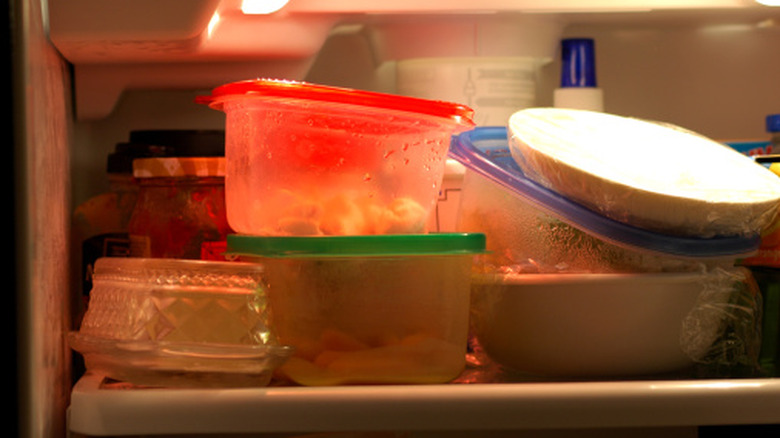
Sight, smell, and taste can't tell you whether food is safe to eat, so it's important to follow temperature and storage guidelines. This means keeping food refrigerated below 40 degrees until it's time to prepare and eat it. Additionally, hot foods should be kept above 140 degrees for as long as they're being served. Leftovers should be cooled and refrigerated as quickly as possible to ensure safety. And while heat can kill many bacteria, some bacteria form durable spores and the toxins pathogens make are often heat resistant, meaning that heating up food that's been in the danger zone too long won't make it safe.
Refrigeration slows down bacterial growth, but it doesn't stop it. This means there's a relatively short window in which foods are safe to consume. Food still in its package will stay safe longer than anything that has already been opened. Cooked leftovers should be used within three to four days. Some kinds of seafood are only safe for a day or two, while preserved meats like ham and bacon can be stored safely for up to a week. If they're not going to be used in a safe time span, many foods can be frozen safely for months.
When it comes to food safety you can't trust your eyes or your nose. Following guidelines on storage times and temperatures is the best way to stay safe. And if in doubt, throw it out.