

Scientists Say Drinking This Juice Can Lower Your Blood Pressure
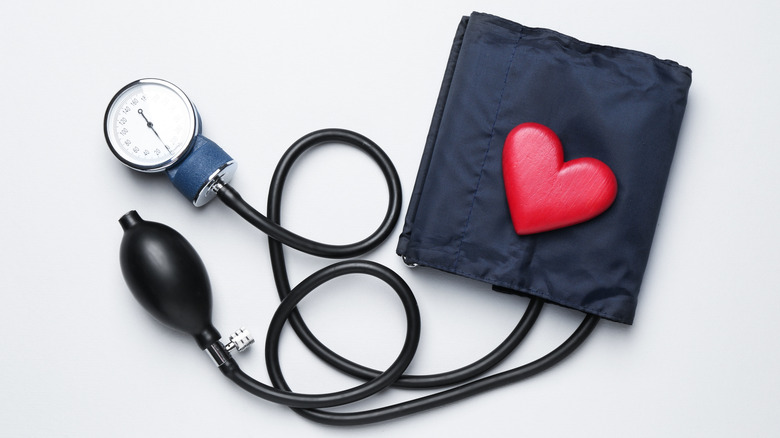
Under the latest blood pressure guidelines from the American Heart Association issued in 2025, normal blood pressure readings should be lower than 120 over 80. Individuals with slightly elevated readings may not need to jump straight into taking blood pressure medication, though. Along with passion fruit being the tropical fruit that's proven to reduce blood pressure and glucose, researchers have found that beetroot juice does the same.
In a systematic review published in Critical Reviews in Food Science and Nutrition, researchers noted that a 2010 study found a significant reduction in systolic blood pressure after the participants drank non-concentrated beetroot juice. Reviewing several studies showed that the biggest decrease occurred about three hours after drinking the juice and wore off in about 10 hours. Meanwhile, studies haven't seen a substantial difference in diastolic blood pressure after drinking the vegetable juice.
The reason beetroot juice works for lowering blood pressure is because it's rich in nitrates. After drinking it, the body turns the nitrates into nitric oxide, which has a vasodilatory effect, a widening of the blood vessels that allows the blood to flow more freely. A study published in Free Radical Biology and Medicine discovered a more significant decrease in blood pressure in adults in their 60s and 70s than in adults younger than 30. The researchers believe that's because the body naturally produces less nitric oxide as it ages, so supplementation has bigger benefits.
Additionally, a meta-analysis published in Frontiers in Nutrition also noted that the vegetable juice contains flavonoids like anthocyanins (chemicals responsible for pigments in flowers, leaves, and foods) and betaine (an amino acid) that reduce blood pressure via other pathways.
How much beetroot juice to drink and tips for incorporating it into your diet
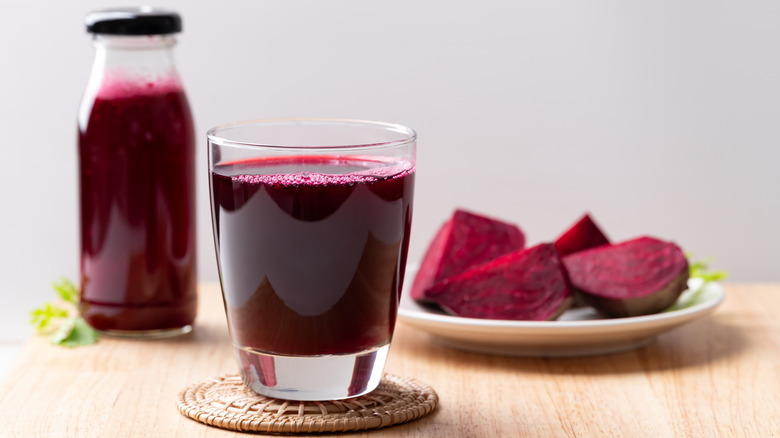
If you're thinking about incorporating beetroot juice into your diet to bring down slightly elevated blood pressure, it's important to talk to your healthcare provider. There are also a few tips to keep in mind. For starters, not all beetroot juices are created equal. Some are mixed with other vegetable and fruit juices or contain added sugars, so you might want to avoid those if you have certain medical conditions.
Studies on the beneficial effects of beetroot juice on blood pressure used varying amounts of the vegetable juice. According to the meta-analysis on Frontiers in Nutrition, daily doses of 2.4 ounces to 8.5 ounces led to a five-point reduction in systolic blood pressure readings, with the results appearing anywhere from three to 60 days.
It's generally best to start off with a small amount to see how your body reacts. Since each cup of beetroot juice contains 3 grams of fiber, some people experience gastrointestinal issues when they drink too much. Plus, about 5 ounces of the vegetable juice contains 10 grams of sugar, and drinking too much could cause blood sugar spikes for individuals with diabetes.
Along with starting small, it's important to drink beetroot juice around the same time every day for consistent results. The best times are in the morning and early afternoon. In addition, you should track your blood pressure readings at home as a precaution against your blood pressure getting too low and to see if the dose you're taking is sufficient for your needs. Just make sure that you position your arm correctly and with proper support to avoid skewing your blood pressure readings.