

Scientists Say This Ancient Protein Could Be A Powerful Weapon In The Fight Against Cancer
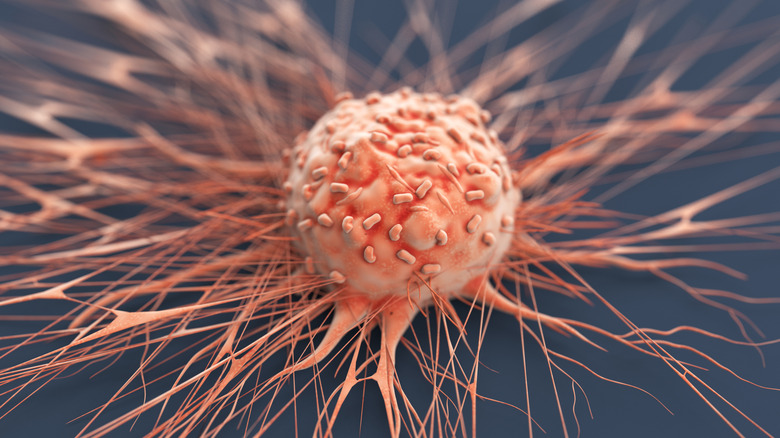
The human genome is the culmination of 3.8 billion years of evolution, and a surprising amount of it is still a mystery to scientists. As much as 98% of the human genome is "junk DNA" or "dark matter." There are also genes inherited from our ancient ancestors that produce vestigial organs which can do more harm than good, such as wisdom teeth. Other ancient genes are more difficult to study, as their mechanisms operate on the cellular and molecular level. In the case of the ancient gene that produces "complement C3 immune proteins," however, scientists may have finally cracked the code and discovered a new tool in the fight against cancer.
The gene that produces complement C3 proteins evolved before life had circulatory systems. Typically produced by the liver and released into the blood, C3 helps the immune system to fight off infections. However, C3 can also be produced inside organs and tissues where its function is being studied by scientists. In a 2026 paper published in Nature Communications, the researchers conclude that C3 proteins can stop specialized immunosuppressive cells from multiplying inside tumors. Based on the discovery, the researchers speculate that cancer patients with low C3 production could be treated with immunotherapy drugs to increase their bodies' natural immune defenses.
Importantly, they found that C3 in the bloodstream had no effect on tumors — only when produced directly inside tumor tissue did the ancient molecule display its cancer-fighting powers. Because the gene responsible for producing C3 emerged in our ancestral genome before we even had blood circulation, it may serve a different purpose when produced in tissues than when circulated through the blood.
Complement C3 protein can be a villain or a hero
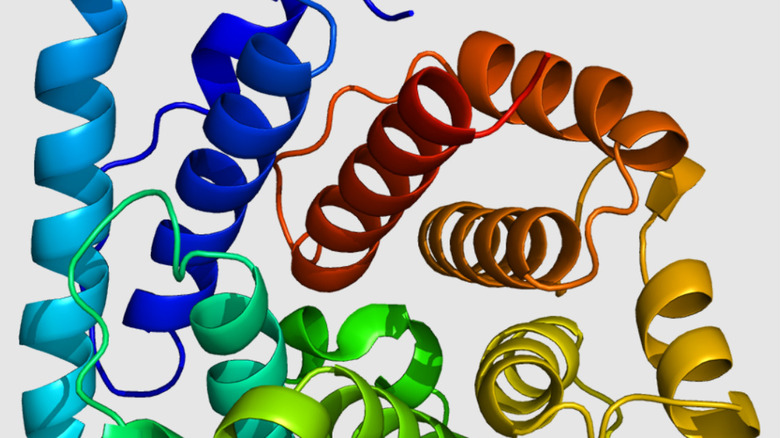
The function of C3 proteins depends on where they're produced in the body. In a 2017 paper, researchers discovered the mechanism by which C3 protein can actually drive metastasis when it's produced by tumorous epithelial cells. These malignant cells essentially secrete the C3 protein to dissolve the "glue" that holds them in place. This frees the tumor cells to spread, whether through the blood or other pathways.
On the other hand, the 2026 research study explains how C3 can help expose the tumor to immunotherapy drugs and make treatment more effective. Normally, when white blood cells encounter cancerous tissue, they transform into macrophages to attempt to "clean up" the corrupted cells. However, macrophages can become hijacked by the cancerous cells and turned into tumor-associated macrophages (TAMs). Instead of cleaning up the cancer, TAMs form a protective shield around the tumor.
TAMs are a scourge of cancer treatments, since they block immunotherapy drugs from reaching the tumor. But it appears C3 proteins can nip the entire process in the bud, before TAMs can even form. When produced within a tumor by healthy support cells called fibroblasts, the C3 proteins break down into simpler molecules that paralyze incoming macrophages, preventing them from entering the tumor and transforming into TAMs. With the tumor unshielded, immunotherapy cancer-treatment drugs can help the immune system attack the cancerous cells.
Hopefully, the discovery can lead to improved cancer treatments that bolster the body's natural immune response to cancer. With the introduction of AI tools and new insights into the role of age on cancer risk, the future of cancer research is bright.