

Not The Breasts, Not The Brain: The Deadliest Cancer Lives In This Part Of The Body

A cancer diagnosis understandably brings up a lot of questions about causes, treatments, and ultimately the prognosis. Two commonly feared cancers are those that start in the brain and the breasts. According to data from the National Cancer Institute (NCI), breast cancer has a 91.9% 5-year survival rate. The agency also notes that breast cancers made up about 6.7% of all cancer deaths, based on 2026 statistics gathered thus far. On the flipside, the National Brain Tumor Society reports that malignant brain cancers have 34.8% 5-year relative survival rate compared with 91.7% associated with non-cancerous brain tumors. It's also not considered one of the more common cancers by the NCI. In fact, according to statistics, lung cancer remains the leading cause of cancer-related deaths in the U.S., and there are several reasons why this is the case.
Lung cancer develops when healthy cells inside the lungs mutate and grow rapidly before forming a malignant tumor and damaging healthy tissues. This includes non-small cell lung cancer, which is the most common form, as well as small cell lung cancer, a less-common form that spreads faster. Most cases of lung cancer are caused by exposure to chemicals, including those in cigarettes, polluted air, and even fireworks. Your lungs are also among the 10 organs that are most likely to develop cancer.
What makes lung cancer so deadly, and what is the prognosis?
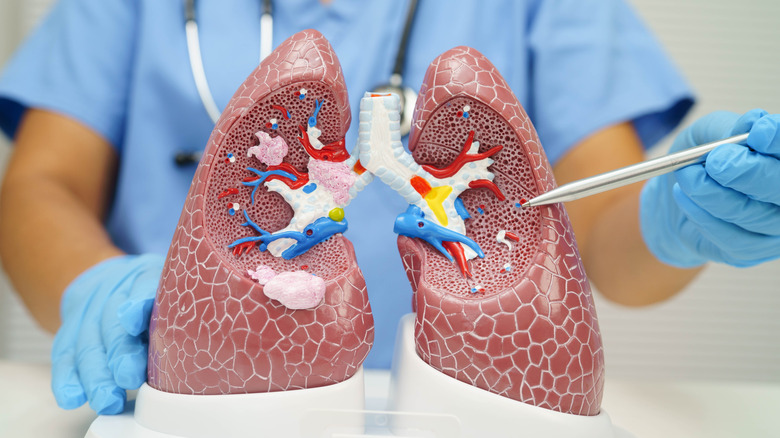
When detected early, surgery is considered the first line of treatment for lung cancer. Unfortunately, symptoms of lung cancer don't develop until the cancer has already spread to other areas. In fact, according to 2024 data from the American Lung Association, only 27.4% of new lung cancer cases are detected at early stages when they're more treatable. Metastasized cancer (when it spreads to other parts of the body) is much more difficult to treat, and other complications can also develop.
Also, while many cases of lung cancer have an obvious underlying cause, such as smoking, some people may still develop this cancer without any known exposure to harmful toxins. This is another challenge in timely lung cancer diagnoses. According to the American Cancer Society, the lifetime risk of developing cancer is 1 in 19, and these statistics include both smokers and non-smokers. At the same time, the American Lung Association estimates that 90% of all lung cancers are attributed to smoking.
While lung cancer survival rates have significantly improved in the last several years, this disease is still the deadliest cancer overall, making up about 20% of all cancer-related deaths. In fact, according to the American Cancer Society, annual deaths from lung cancer in the U.S. far exceed the total number of deaths from breast, colon, and prostate cancers. The 5-year relative survival rate is higher in cases of non-small cell lung cancers compared to small cell types. Overall though, the NCI says the average 5-year relative survival rate for lung cancer was 29.5% between 2016 and 2022.
Current recommendations for lung cancer screening and prevention
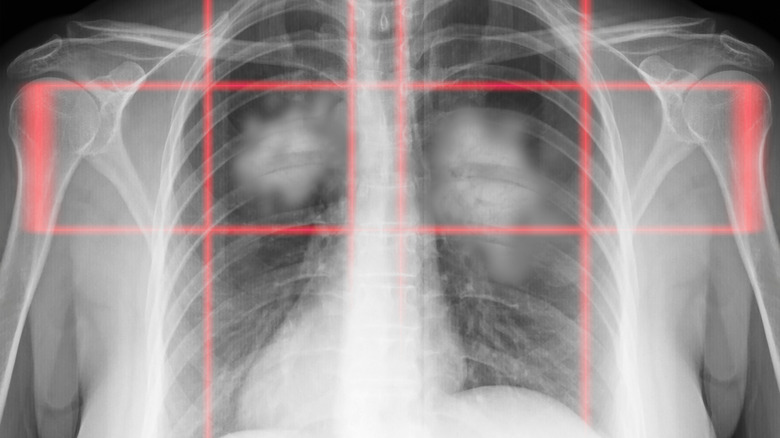
Lung cancer screenings are critical in detecting this deadly cancer. For this reason, a screening may be recommended in cases of known exposures to toxins. Since smoking remains the most common risk factor for lung cancer development, you may be eligible for screening if you are at least 50 years of age, and you also currently smoke or have quit smoking in the last 15 years, says the American Lung Association. Common screening tools for lung cancer include chest x-rays, low-dose computed tomography (CT) scans, and a sputum cytology to check for cancer cells in lung mucus. Due to the risk of radiation exposure, X-rays and CT scans are not recommended as routine tests, and may in fact increase your risk of cancer when performed too frequently.
Given the challenges associated with screening and early detection with this deadly form of cancer, it's understandable that you'll want to do everything you can to prevent lung cancer. This can certainly involve exploring factors that might lower your cancer risk. While you cannot control certain risk factors associated with lung cancer development, such as older age and certain genes, you can take steps to avoid smoking or to quit altogether. The NCI notes that while there is no way to definitively prevent lung cancer, avoiding smoking and limiting your exposure to secondhand smoke, workplace toxins, and radon are all considered protective factors against this deadly disease.