

Scientists May Have Found A Way To Explain Why Women Are More Susceptible To Autoimmune Diseases

It's an understatement to say that the human body is complex, especially when it comes to the development of autoimmune diseases. For decades, scientists have been studying why the immune system essentially turns against itself and doesn't work as it should. One of the most mysterious aspects that has had researchers stumped is that four out of every five people diagnosed with autoimmune diseases are female. Perhaps among the greatest scientific discoveries of 2026 so far, they've discovered more than 1,000 genetic switches that may hold the key as to why women's immune systems make them more vulnerable.
Your immune system is doing a lot more than fighting off colds, which is part of the reason it's such a difficult system to understand fully. In the American Journal of Human Genetics, researchers report finding distinct profiles between men and women on a cellular level. They found a greater amount of monocytes (the first immune-responder cells) in men than women, and the cells' genetic activity focused on protein building and cellular maintenance. Meanwhile, there were more B and regulatory T cells (both types of immune cells) in women with genetic activity concentrated on inflammatory pathways.
Basically, this means that female immune systems constantly operate on high alert compared to male immune systems. While that means the female body is quick to fight off viral infections, it also means that there's a higher chance the immune system can accidentally attack healthy tissues, resulting in the development of autoimmune diseases.
How scientists used new technologies and what their findings mean for autoimmune disease treatments for women
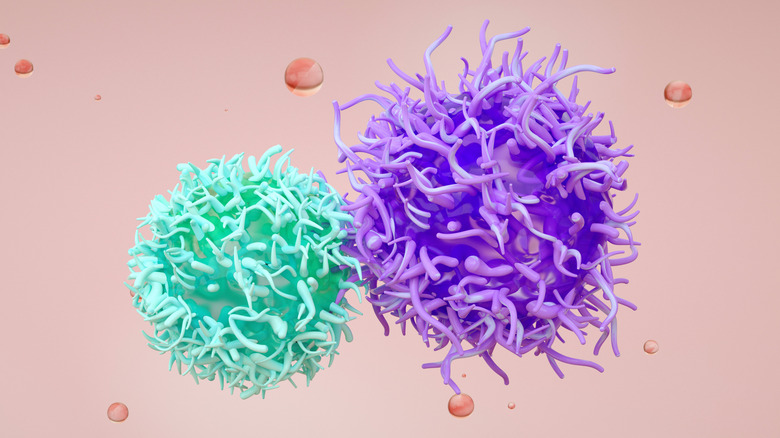
What makes this study into the impact of sex on the immune system different is how the blood samples were examined. Until now, scientists traditionally used bulk blood analysis that measured the average genetic activity of many cells at once. With that method, the behavioral differences of each cell type remain hidden. That's one reason scientists have largely assumed that the differences in immune system behavior have been mostly driven by differences in male and female chromosomes.
Using single-cell technologies, the authors of the latest study could investigate each immune cell more carefully and on a large scale. The blood samples came from nearly 1,000 healthy individuals. While sequencing over 1.25 million circulating immune cells, the scientists were able to identify sex-specific functioning genetic switches, which are essentially volume controls that affect the strength of gene activation or suppression. They anticipated that the sex chromosomes would have many more sex-specific genetic switches than they actually found. Among the over 1,000 switches detected, most of them were located on other chromosomes that both females and males share.
Genetics are only part of the puzzle, but these findings demonstrate that one-size-fits-all treatments may not be the best approach to managing autoimmune diseases, like lupus, multiple sclerosis, or rheumatoid arthritis. Along with treatments being tailored to the disease, the researchers believe that they need to be tailored to the genetic activity of each patient's immune system.