

The Common Colon Health Myth That's Been Debunked By Science
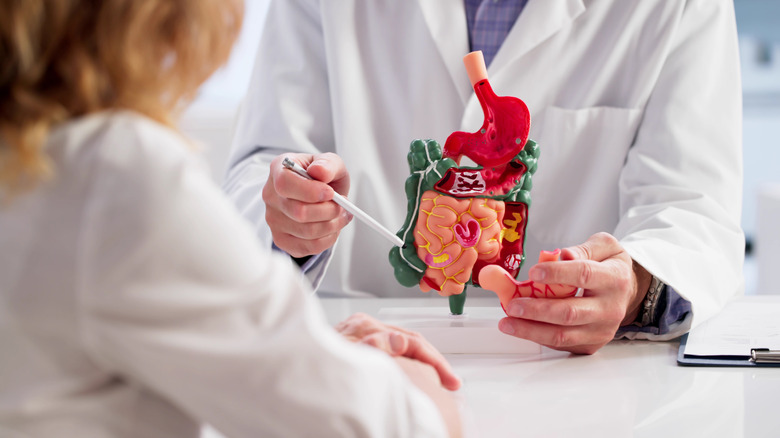
Colon health has garnered a lot of attention in recent years, and for good reason. This muscular tube (which is one of the 10 organs most likely to develop cancer) plays an integral part in turning food into waste, but several issues can develop in the here. Some may be acute or benign, such as constipation, while others such as colon (colorectal) cancer are more serious. According to the National Cancer Institute, about 158,850 people are expected to be diagnosed with colorectal cancer in 2026. Research published in the Journal of the American Medical Association in 2026 reported that colorectal cancer is the leading cause of cancer-related death in adults under the age of 50. Overall, this health issue is increasing in Gen Z and Millennials. Regardless of whether you're concerned about colorectal cancer or your digestive system more generally, you should be aware that despite what you may have heard, colon cleanses are not necessary, and may even cause serious complications in some cases.
If you've ever had a colonoscopy, you likely used liquid products to help flush out the large intestine. This is technically a type of colon cleanse that is solely used to help a doctor get a clear view of the large intestine, and it is not harmful. In most cases though, the term "colon cleanse" refers to a form of alternative medicine outside of these purposes. With the help of restricted diets, enemas, laxatives, and even herbal supplements or teas, these colon cleanses (or "detoxes") are promoted as ways to purportedly remove toxins and help the colon work better. Proponents might even claim that colon cleanses can help with energy levels, weight loss, and a reduced risk of chronic illnesses.
The truth about colon cleanses for health, and their possible risks

One of the biggest issues with colon cleanses is their lack of efficacy. According to the Mayo Clinic, there isn't any clinical evidence that supports colon cleansing as an effective way to remove toxins and benefit your health. In fact, the digestive system is capable of removing toxins on its own via waste formation. By doing a cleanse, you might erroneously remove healthy bacteria from your digestive tract. There's also no research that supports the theory that the colon will hold onto toxins unless you do a colon cleanse.
Even worse, colon cleanses may be dangerous. In the best case scenario, a colon cleanse could cause symptoms of temporary mild digestive discomfort, such as bloating, cramps, and diarrhea. Other people might experience vomiting and dehydration. The Mayo Clinic also notes the dangers of coffee enemas, which can be deadly in some people.
Plus, if you have an existing colon condition, such as a blockage or colitis, a colon cleanse could make things worse. Possible complications can include worsening digestive symptoms, bleeding, and electrolyte imbalances that might lead to issues with preexisting heart or kidney diseases. Bowel perforations, infections, and kidney damage are also possible. Even herbal supplements pose dangers, since they may interact with certain prescription medications you might be taking.
Scientifically backed ways to support colon health instead of cleanses
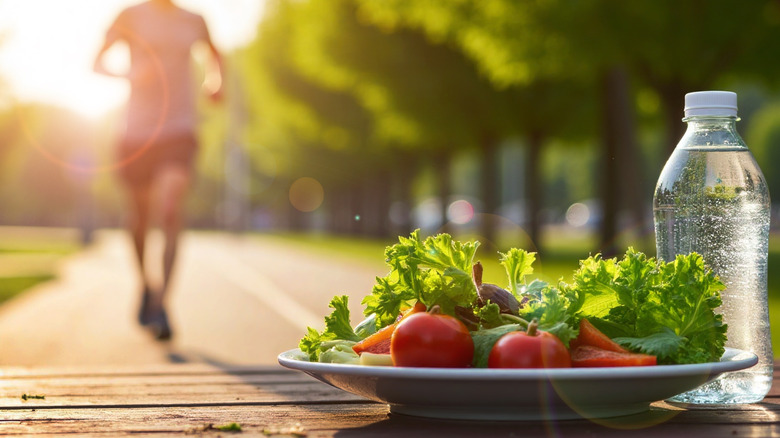
It's a good idea to talk with a healthcare professional about colon cleansing, especially if you have any preexisting medical conditions. An even better idea is to choose ways to support your colon that are backed by scientific evidence. The only exception is if you've been instructed by a doctor to clean your colon ahead of a scheduled colonoscopy.
Drinking enough water can prevent constipation, and getting enough fiber can promote bowel regularity while increasing your number of healthy gut bacteria. A fiber-rich diet, regular exercise, and weight management are ways you can reduce your risk of colorectal cancer. It's also important to avoid smoking and drinking alcohol in excess to protect the colon. If you have a family history of colon cancer, it's worth talking with a doctor about early screenings. As of right now, the American Cancer Society recommends colorectal cancer screenings starting at age 45 for people who are considered average risk.
Aside from basic colon care, it's equally important to alert a healthcare professional if something doesn't seem right with your colon health. While you cannot definitively determine your colon is in good health on your own, the Colombia University Irving Medical Center says that bowel movement regularity (gross things can indeed happen if you don't poop for a week) and ease of bowel movements are both important clues. Bloody stools, chronic constipation or diarrhea, unexplained weight loss, and ongoing stomach pain are just some of the concerning signs and symptoms that are worth discussing with a doctor.