

Scientists Analyzed 2,000-Year-Old Human Poop. It Was Hiding More Than Ancient Waste
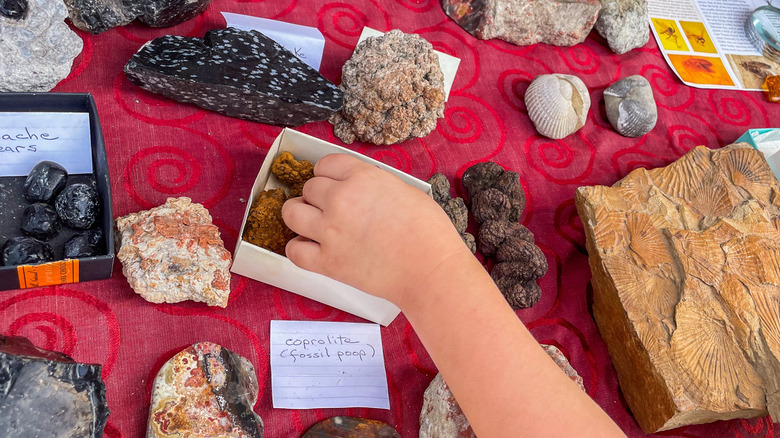
In recent years, China has been the base of some seriously eye-opening research in the field of anthropology. In 2025, scientists digitally reconstructed a 1 million-year-old fossilized skull from Hubei, China, which revealed that the evolution of human beings was more complex — and interbred, as more species than Neanderthals likely mated with humans — than previously believed. And in early 2026, some of the earliest evidence of hafted toolmaking was unearthed in the Danjiangkou Reservoir Region of central China. But perhaps China's biggest anthropological achievement came in the form of petrified poop. As it turns out, ancient poop can tell you a lot about our future. The researchers used genetic materials in 2,000-year-old poop to discover 40 peptides produced by our ancient gut biomes, and scientists are considering bringing those peptides back to life.
The research paper, published in January 2026 by Nature Communications, details the process of studying seven different 2,000-year-old coprolite samples (fossilized human poop) to explore the ancient human gut biome. The researchers didn't cut corners — they developed an AI tool called AMPLiT AI to study the genetic data. The AI models were trained to find unique genes in the stool sample, and compare them with those of the genes from a modern gene database to find the differences in their microbes.
Through this highly technical scanning process, the researchers discovered 160 potential "antimicrobial peptides." Antimicrobial peptides are amino-acid chains that the body produces to defend itself, and just about every organism on the planet relies on them. However, not every species produces the same peptides. Synthetic peptides are used to treat people with deficiencies, such as diabetes patients, and many exist on the market without FDA approval. But approval or not, many researchers believe synthetic peptides are the future — and finding ancient recipes for them within fossilized poop isn't that far fetched.
How ancient peptides may be revived by modern medicine
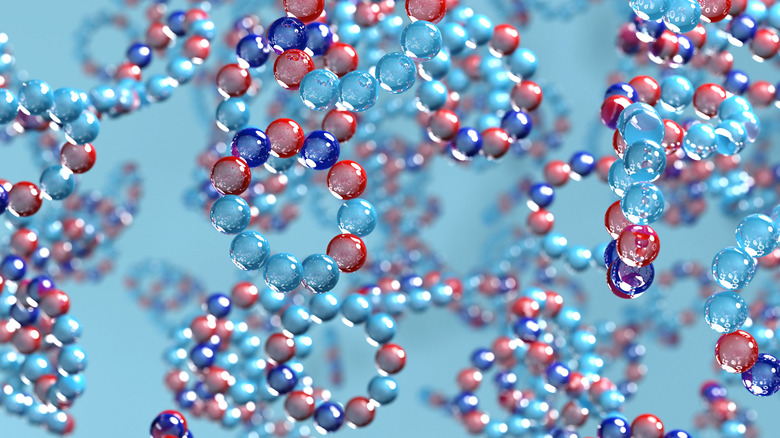
Peptides serve a critical role in our bodies, providing chemical messages for everything from repairing skin to managing hormone production. Our bodies produce peptides, and we also absorb them through food. Insulin is a peptide made by the body for processing sugar — diabetics either don't produce enough of it or develop a resistance to it, so they may require synthetic peptide injections to make up for their deficit. GLP-1 weight-loss medications, such as Ozempic, are also a type of synthetic peptide, even though those long-term effects of Ozempic aren't widely discussed.
Indeed, synthetic peptides make up a big part of modern medical treatments, and some advocates believe we're entering a peptide revolution. The synthetic drugs are highly promising, as breakthroughs in metabolic drugs and gene-sequencing technology have enabled scientists to unravel the molecular chains that give each peptide its unique function in the body.
However, the Hong Kong researchers believe that our modern diets and antibiotics have changed the bacteria living in our guts, specifically the peptide-producing Segatella copri. This bacterium was once common in our gut flora, and it produced numerous antimicrobial peptides to fight off pathogens (in exchange for living in our guts). Today, such antimicrobial peptides could fight off modern antibiotic-resistant "super bugs," which evolved to resist our modern antibiotics but not the ancient peptides encoded in our fossilized poop.
The 2026 Hong Kong fossilized-poop study demonstrates that mother nature makes the best medicine. Unlike most modern synthetic peptides, the dozens found by the researchers were developed through a harmonic evolution between humans and their gut bacterium. This means they're already adapted to attack pathogens in the human body. Should scientists one day revive these peptides, they would technically still be synthetic — but their recipes are all-natural.