

The Difference Between Orange And White Pumpkins Is Easily Explained By Science
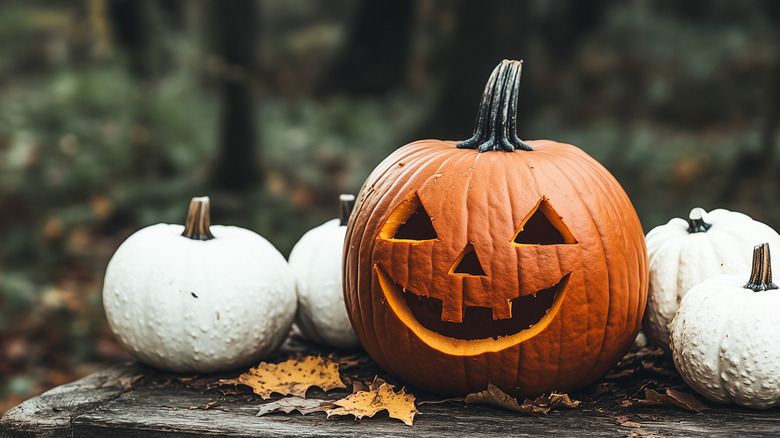
Pumpkins come in different species, shapes, sizes, and colors. Pumpkins are part of the Cucurbita family of squashes, and they produce large fruits and nutritious seeds that are among the best foods to help you sleep. First domesticated around 7,000 to 10,000 years ago, these plants have been independently domesticated at least 6 times in the Americas. Varieties include the Atlantic Giant from the species Cucurbita maxima, whose current world record is a 3,156-pound pumpkin grown by a Rhode Island farmer. There's also Cucurbita moschata, which gives us butternut squash, honeynut squash, and calabaza. Most famous of all, the species Cucurbita pepo gives us the classic field-pumpkin breed, which is commonly picked, carved, and eaten during Halloween. It comes in either orange or white — the only difference is which color you prefer.
The reason why pumpkins come in so many shapes, sizes, textures, flavors, and colors is because we've bred them that way. During October's pumpkin-picking season, the orange field-variety is clearly the most popular. Still, white variants of the same breed exist, largely thanks to the minority of pumpkin-pickers who choose to defy Halloween-color conventions. Even though white pumpkins are an aesthetic abomination (depending on who you ask), they share virtually the same genetics as regular orange pumpkins. From a biological perspective, the main difference between white and orange pumpkins is, ultimately, pigmentation.
A single gene variation is all it takes to produce a white C. pepo field pumpkin, similar to the way redhaired people produce less melanin than dark-haired people. But gene variations affecting pigmentation often result in subtle differences beyond just color (different hair colors in people present different risk factors for their health). Physicists have demonstrated that white pumpkins may be stiffer, while orange pumpkins are more flexible. But are orange pumpkins really better for carving a jack-o-lantern?
Same species and breed, different pumpkin properties
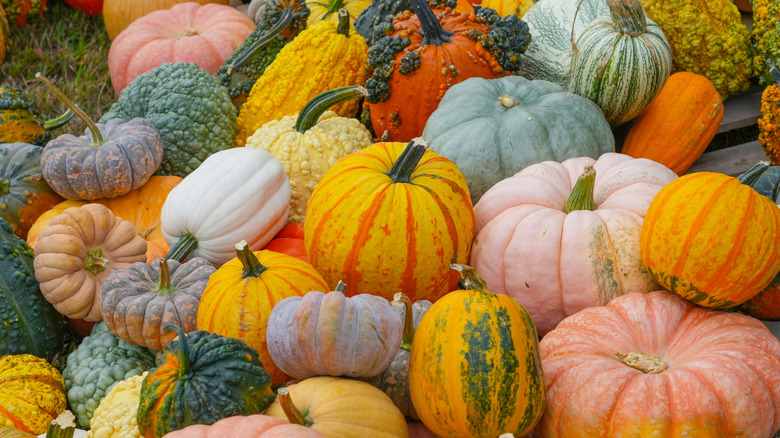
In a corporate science blog, writer Behbood Abedi analyzed the difference between white and orange pumpkins by testing the strength of their outer rinds. Through rheological analysis, a branch of physics that tests the malleability of materials, Abedi claims that white pumpkins are tougher and less flexible than their common orange counterparts. If you're looking for a pumpkin to carve, the gene for orange field pumpkins offers a better texture to sink your knife into.
There are a few subtle differences between orange and white pumpkins beyond their appearances, similar to how red and green grapes also have different flavor profiles. The gene that gives orange pumpkins their bright color produces high levels of beta-carotene in their outer skin, while white pumpkins lack the gene to do so. As a trade-off, white pumpkin varieties often grow slightly thicker outer rinds compared to their orange field types.
White and orange field pumpkins taste nearly identical, though orange varieties may have an earthier scent compared to the milder, sweeter aroma of white varieties. According to Abedi, these differences make orange pumpkins well-suited for carving, while white pumpkins are better for painting.
The different meanings of different pumpkin colors
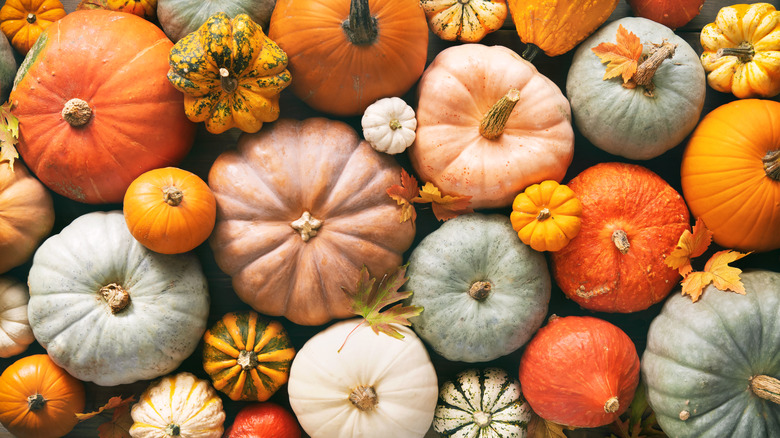
Some Halloween pumpkins may be white because they were painted that way — after all, pumpkin-squash varieties have been used as ornaments for a long time. In fact, pumpkins have likely been used for their aesthetic qualities for thousands of years. The pumpkin-squashes' original domesticators bred the crop for its seeds. But besides providing a nutritious and abundant food crop, early species were eventually bred for their unique textures, shapes, sizes, and colors (similar to the differences between apple varieties). Some pumpkin-squash species were turned into containers, which were inevitably bred for their aesthetic qualities.
Anthropological evidence suggests that pumpkins were just as important of a material tool as they were a food source. Some squashes were turned into vessels. The earliest example we have is a 2,000-year-old effigy jar modeled in the shape of a squash. Found in modern-day Ecuador, the vessel is painted, adorned, and clearly shaped in an testament to the ornamental and possibly sacred role of the pumpkin-squash.
For modern trick-or-treaters, you'll probably find symbolism among the carved and painted pumpkins that you encounter along your candy-collecting travels. Pumpkins painted pink honor breast-cancer awareness and its victims, while blue pumpkins are often symbols of autism awareness. Red-painted pumpkins are commonly used as protests against drunk driving, and teal-painted pumpkins may point to houses offering non-edible treats. Finally, white pumpkins, whether au-naturel or painted, are said to serve in solidarity for pregnancy and early infant loss. Whatever the color, displaying pumpkin-squash on Halloween helps carry on the ancient, ever-evolving tradition of the pumpkin.