

Archaeologists Studied The Plaque On Neanderthal Teeth. What They Found Was Surprisingly Familiar
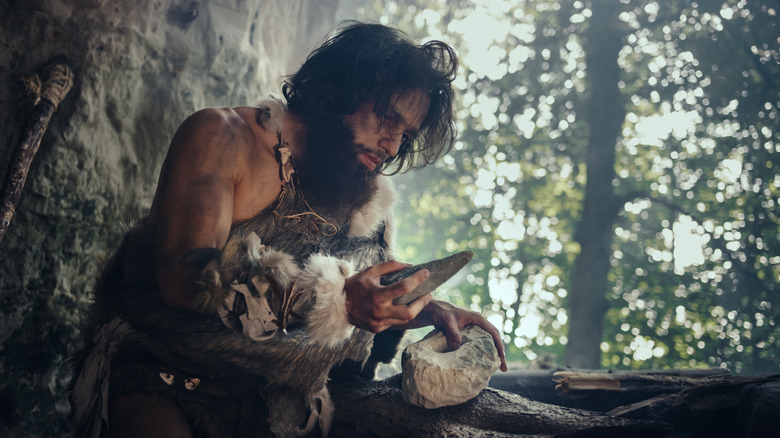
We all know that skipping toothbrushing can have long-lasting consequences — even if you should think twice about brushing after every meal — but you might not expect how long. The build-up of plaque is still apparent on fossilized teeth of Neanderthals, who went extinct around 40,000 years ago — long before modern-day dental hygiene. By sequencing the DNA found within the plaque, scientists havedetermine what those Neanderthals may have been munching on. Just like modern-day humans, Neanderthals appeared to have eaten a variety of vegetables and meats, including insects, and may have even medicated with chemicals we still find in our medicine cabinets today.
These findings come from a study published in Nature of three Neanderthal individuals from Belgium and Spain. It appears that what the Neanderthals ate varied by where they lived. The individuals from Belgium ate sheep and even woolly rhinos, whereas those from Spain favored a less meat-heavy diet of moss, pine nuts, and mushrooms. The DNA has revealed populations of microorganisms, offering a snapshot of the bacteria and fungi that the Neanderthals were living with.
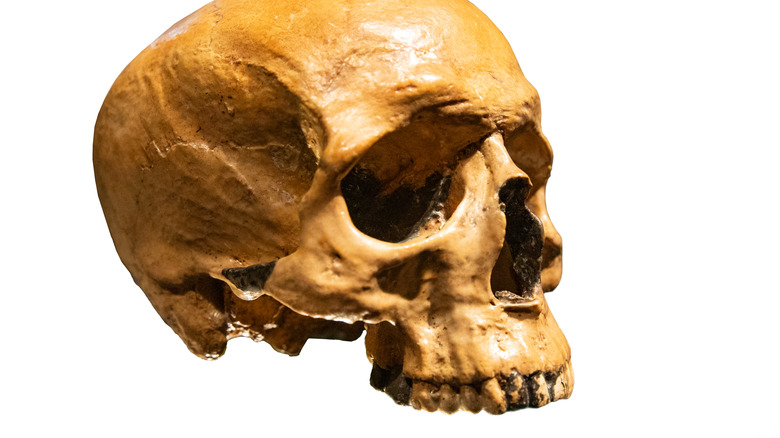
One Neanderthal from Spain appeared to have been struggling with a dental abscess visible on their jawbone. This same individual also seems to have chewed on wood from poplar trees, which is known for containing a key ingredient in aspirin called salicylic acid. The scientists also found traces of a mold that produces the antibiotic penicillin. The scientists suggest this Neanderthal may have been self-medicating for an uncomfortable tooth infection.
The tales of teeth
A past study also found evidence that Neanderthals medicated with plants. They appear to have eaten the bitter-tasting, nutrient-poor herbs yarrow and chamomile, which can have medicinal qualities. The scientists say these behaviors suggest that Neanderthals were more aware of their environment and smarter than we ever realized.
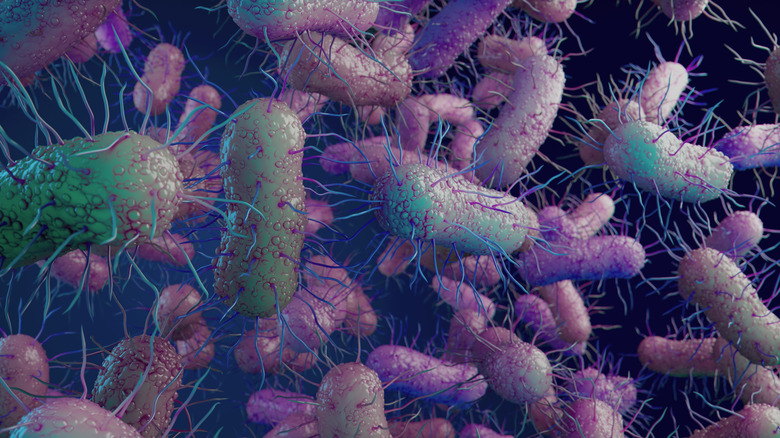
The study of ancient plaque isn't entirely new, but recent advancements in microscopy and genetic analysis have expanded the information scientists can obtain from teeth. In the study, the scientists were even able to almost fully sequence the genome of one species of bacteria called Methanobrevibacter oralis. This bacterium can cause cavities and gum disease, and it is found in modern humans. Neanderthals and humans may have interbred, and Methanobrevibacter oralis is also found in the mouths of modern humans, so the scientists suggest that the two hominids may have been swapping the bacterium thousands of years ago.
An evolution of mouth bacteria
The scientists are careful not to conclude too much about the lives of Neanderthals from the results. It's possible, they say, that the dental tartar might not equally preserve all parts of their diet. The sample is also small, which limits how much can be said about Neanderthals as a whole. But the scientists believe that studying Neanderthal mouths might lead to a greater understanding of microbiomes, the communities of bacteria in our bodies that are known to affect health, and how those microbiomes have evolved over time, from Neanderthals to modern-day humans.
Studies comparing the microbiomes of people in Africa and South America have found striking similarities, so the scientists wonder how Neanderthal microbiomes might compare to those of individuals who lived after the invention of agriculture. For example, a study in Nature Genetics suggests that diets heavy in processed sugar and flour may have changed the diversity of our oral microbiomes. Comparing microbiomes over time might help us understand the bacterial impacts of specific diets, like those that cause obesity today. The research might also tell us more about any health changes that led to Neanderthals' extinction.