


Sara Ipatenco
Sciencing Editorial Policies
The unique content on Sciencing is a result of skilled collaboration between writers and editors with broad journalistic, academic, and practical expertise across the wide variety of scientific fields we cover.
In pursuit of our mission to provide accurate and ethical coverage, the Sciencing editorial team consistently fact-checks and reviews site content to provide readers with an informative, entertaining, and engaging experience. Click here for more information on our editorial process.
Stories By Sara Ipatenco
-

-
How To Calculate The Area Of Trapezoids
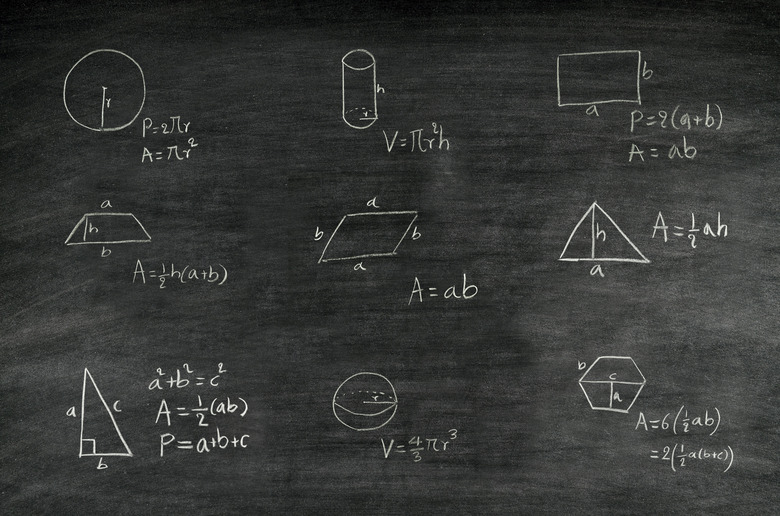
Area refers to how much space is inside of a shape, and it's a useful measurement for real-life tasks such as purchasing the correct amount of flooring or planning how much grass to put down in an area of your backyard. A trapezoid is a four-sided shape with two parallel sides, one of which is longer than the other. The formula for finding the area of a trapezoid is 1/2(a+b)h, or the length of the top added to the length of the bottom, divided in half and then multiplied by the height of the trapezoid. The final number is represented as a squared number.
Read More -

How To Teach Children To Write Numbers
Learning to write numbers is a key skill that helps lay the foundation for handwriting and math skills later in life. Children often learn to write numbers during the preschool and kindergarten years, and the right kinds of hands-on activities will promote number-writing skills, as well as give children time to practice their technique.
Read More -

Easy Kids' Science Fair Experiments About Germs
A science fair gives children the chance to put their scientific skills and knowledge to the test, as well as show them off to others. Germs is one topic with numerous possibilities, from how germs are spread to the potential dangers of certain germs. Help your child choose a topic and experiment that can be replicated at the science fair so her audience receives a well-rounded education about the science of germs.
Read More -
How To Create A Semantic Map
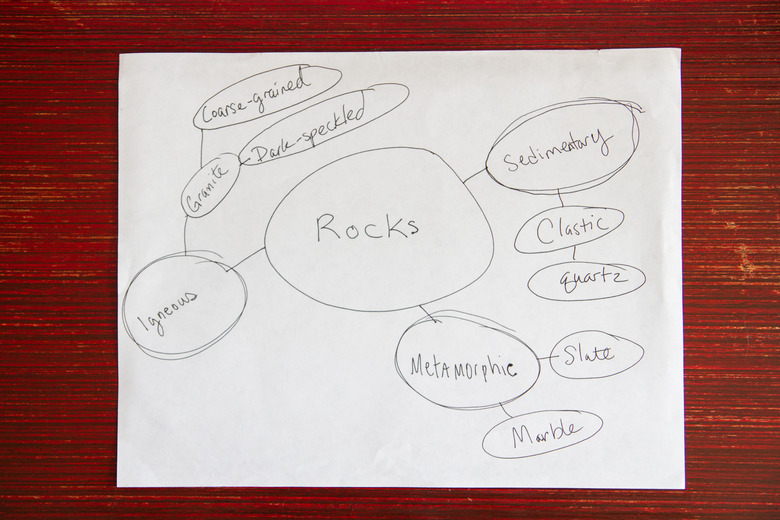
Put simply, a semantic map is a visual representation of what a word means. More specifically, a semantic map shows in an organized fashion the relationship of a broad concept to narrower concepts and the attributes associated with each of those narrower concepts. Semantic maps are a valuable learning tool. According to Michigan State University, the ability to create semantic maps can help increase reading comprehension and boost the skills necessary to make connections between what's being learned and the real world,
Read More


