

These Prehistoric "Zombie Viruses" Are Pure Nightmare Fuel
Let's be honest, none of us are looking forward to another pandemic. One plague per lifetime seems like enough. However, climate change does more than threaten Earth through an increase in the frequency and intensity of natural disasters. Scientists have begun to sound the alarm that rising temperatures could lead to the thawing of certain pathogens with pandemic potential. Layers of ice appear to have frozen these bacteria and viruses in time, but as temperatures increase, they appear to escape the dormancy induced by their icy graves. If this seems like a far-off fictional premise, the truth is that these "zombies" have likely already led to outbreaks.
In 2016, the Yamal Peninsula, a quiet area of Siberia, experienced an anthrax outbreak. A child died as a result, and at least 20 infections were confirmed, with 90 people hospitalized for observation. This outbreak significantly affected the deer population, with over 2,000 deer dying from anthrax. Researchers later asserted that the infection originated from a reindeer that had died decades earlier. It was suggested that this reindeer had died with an anthrax infection before being frozen and buried in the permafrost (ground that has remained frozen for a minimum of two years). A warm summer supposedly led to the thawing of this permafrost and spread of anthrax spores. The Yamal Peninsula had not experienced such an outbreak in 75 years. But are there even older pathogens resting in the Arctic, just waiting to warm and reemerge?
Buried in the permafrost
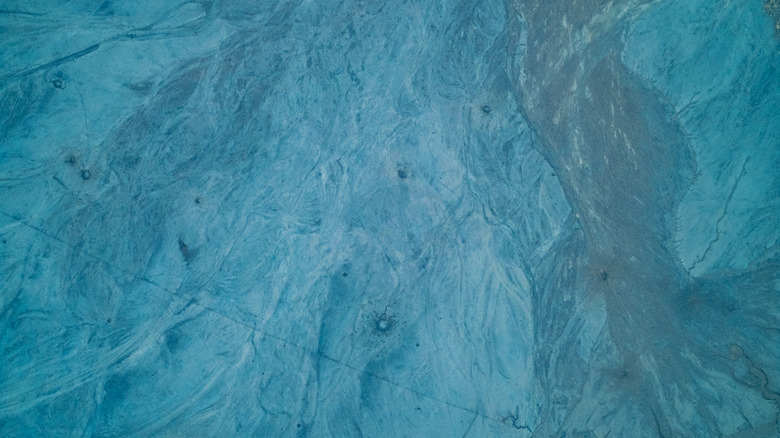
Permafrost is often described as permanently frozen ground. However, recent years have shown rapid warming of these frosty pieces of Earth. The Arctic Circle has warmed at almost four times the rate of the rest of the globe. Between the years of 2007 and 2016, global permafrost temperature rose by 0.29 degrees Celsius, thus increasing the chances of exposing buried layers of ground containing ancient pathogens.
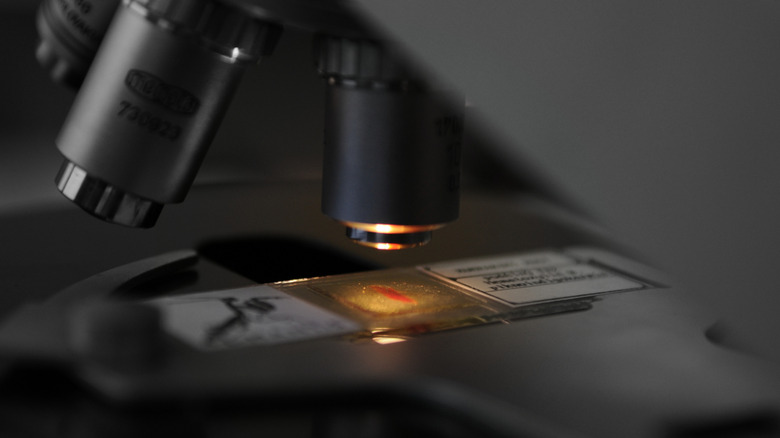
In a 2014 publication from the Proceedings of the National Academy of Sciences, a virus that was frozen over 30,000 years ago was experimentally thawed and appeared to be what we might colloquially describe as alive. The virus was able to replicate and infect amoebae. Fortunately, amoebae are the only victims of this particular virus. To make the science-fiction nature of this finding even more apparent, this particular virus happened to be what is known as a giant virus, which means that it is large enough to be seen through light microscopy.
A 2023 paper published in the journal Viruses detailed 13 newly characterized viruses found in permafrost, originating from up to 48,500 years ago. One of the samples used in this study even had traces of wooly mammoth DNA. Due to the high concentration of bacteria in the permafrost, most of the viruses are expected to strictly target bacteria. However, the presence of certain viruses that have the potential to affect vertebrates has also been identified.
Climate-driven pathogen exposure
A 2022 genomic survey of the permafrost microbiome revealed that 0.4% of the genetic material analyzed belonged to viruses. However, this does not mean that the issue should be taken lightly. As the permafrost microbiome contained 95% bacterial genetic material, the continued thawing ground could introduce ancient bacteria that we lack the ability to combat. A concern voiced by some researchers is that this could worsen antibiotic-resistant bacteria.
Additionally, human remains recovered from the permafrost have revealed viruses like influenza. Thus, the presence of viruses that already have the established ability to infect humans could spread as the buried bodies containing these viruses become exposed to the open air once again. Although this is a frightening possibility emerging from climate change, it is important to keep in mind the relative scale of this threat while still understanding the significance of further research.
These frozen grounds are typically remote, which limits the ability for emerging viruses to spread. Meanwhile, climate change increases exposure to other pathogens in more highly populated areas, as the warmer temperatures provide a prolonged period for disease-spreading insects, like ticks, to breed and interact with human populations. Thus, while the threat of zombie viruses from the Arctic is certainly real, the risks are slim compared to other climate-driven increases in illness. However, this does not mean that the pathogens buried in permafrost should be ignored. Rather, general efforts are required to stall the progress of climate change and reduce such threats.