

Scientists Gave 15 People Pills Made From Human Poop. One Result Stood Out
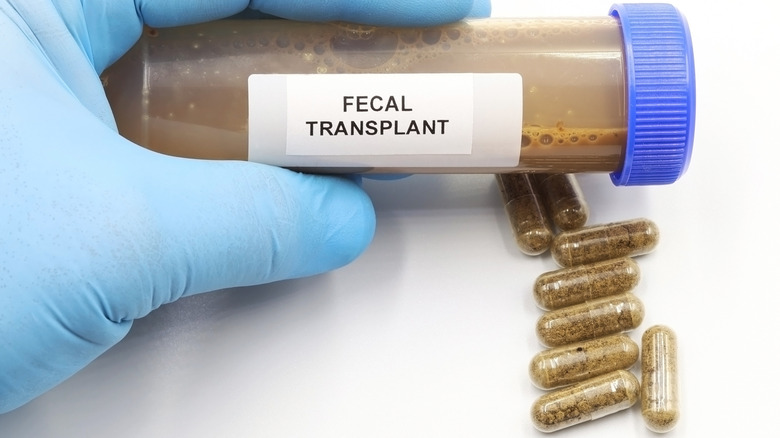
Fecal microbiota transplantation (FMT) is a procedure that involves introducing healthy donor stool (or poop) into the gastrointestinal tract of a patient, and it's not a new concept. For more than a century, archaeologists have known that ancient Egyptians were using poop in birth control formulas based on the recovered and restored Gynecological Kahun Papyrus. Then earlier this year, archaeologists reported finding physical evidence that ancient Romans were using poop for medical treatments. FMT is mainly used today to treat Clostridium difficile infections, but an early-stage clinical trial has improved peanut tolerance in those with an allergy.
The common delivery system for FMT is colonoscopy, but a tube through the nose, an enema, or ingestible capsules are other possibilities. At Boston Children's Hospital, 15 peanut-allergic participants aged 18 to 33 were administered pills containing gut microbes from individuals with no food allergies. Six of the participants were able to tolerate more peanut protein without experiencing a reaction for four months.
Publishing the findings in Science Translational Medicine, the researchers noted that the participants who saw improvement (the responders) had a significant increase in the regulatory T cells (immune system cells) that make RORγt. The lack of this protein is what leads to anaphylaxis related to peanut allergy. Additionally, they noticed a significant decrease in IL-13 and IL-4 expressing T cells, (cytokines, proteins that control inflammation), which have been associated with anaphylaxis related to food allergies.
Could poop pills be the future of food allergy treatments?
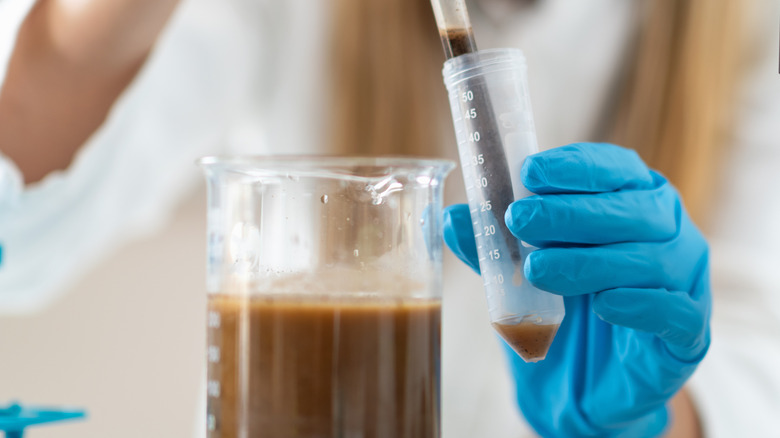
Food allergies can have debilitating and life-threatening effects for people who have them. When it comes to peanuts and tree nuts, only 15% to 20% of kids grow out of their allergic reactions. These allergies also account for 90% of near-fatal or fatal reactions, but scientists have struggled to find a suitable treatment. While FMT via poop pills showed promising results, the Boston Children's Hospital study was just a phase 1 trial with a small number of adult participants.
Fortunately, the increase in RORγt-producing T cells for one year and decrease in IL-13 and IL-4 expressing T cells for one month weren't the only positive results. When the beneficial gut microbes from the responders were transplanted to mice without microbiomes, the mice were protected against food allergies and had similar T cell changes. The researchers also discovered that the mice had higher Bacteroides bacteria colonization, which increased their levels of RORγt-producing T cells.
There's always a chance that it won't have long-term success, though, which has been the case with oral immunotherapy for peanut allergies. After five years of building a tolerance by slowly increasing peanut consumption over time, a study published in The Journal of Allergy and Clinical Immunology tested the tolerance of 24 people. The researchers had them stop the treatment and avoid peanuts for a month, but only half the participants didn't have an allergic reaction when they ate peanuts again. That's why the Boston Children's Hospital researchers are continuing their FMT study with a phase 2 trial.