


Sarah Cairoli
Sciencing Editorial Policies
The unique content on Sciencing is a result of skilled collaboration between writers and editors with broad journalistic, academic, and practical expertise across the wide variety of scientific fields we cover.
In pursuit of our mission to provide accurate and ethical coverage, the Sciencing editorial team consistently fact-checks and reviews site content to provide readers with an informative, entertaining, and engaging experience. Click here for more information on our editorial process.
Stories By Sarah Cairoli
-
-

What Happens To The Environment When There's Not Enough Rainfall?
When an area experiences below-normal levels of precipitation for an extended period, we call it a drought. The environmental effects of drought can be widespread, affecting all members of an ecosystem. Dry soil causes plants to die and the animals that eat those plants are left struggling to find food and water. Drought's effects on humans can be significant, diminishing water available for drinking and crop irrigation. Rainfall shortages tend to have a trickle-down effect felt throughout ecosystems.
Read More -

Goldfish Science Projects
Goldfish may not be cuddly, but they can assist with your next science project. Goldfish make great subjects for study because they are a hardy species and live in an environment that can be completely controlled, which makes it easy to isolate and test one variable at a time. Take care to design an experiment that will not threaten the health of your goldfish.
Read More -

Volleyball Science Fair Ideas
If you have a volleyball in your garage, you have the makings of an interesting science fair project. Volleyballs are useful components of models -- paint one orange and use it as the sun in a replica of the solar system, or make a globe by carefully painting the Earth's oceans and continents. Volleyballs are also useful for demonstrating Newton's Laws of Motion and the way air pressure works.
Read More -

How To Make A Bubble Gum Science Project
People have been chewing various forms of gum to clean their teeth and freshen their breath for thousands of years. Today's gooey, pink variety is very different from the plant resins and tars chewed by Ancient Greeks, but it is still an interesting subject for scientific study.
Read More -

Ways To Persuade People To Save Energy
More than one-third of the energy consumed in the United States is used to generate electricity, reports the U.S. Environmental Protection Agency. Nearly another 20 percent of all the domestic energy used comes from gasoline. The daily activities of individual citizens account for more than half of the energy used in this country. In turn, burning gasoline and fossil fuels leads to air pollution that contributes to global warming. Persuading people to save energy is important but difficult because many people find it hard to change their routines in ways that conserve power.
Read More -

What Is The Prey In An Ecosystem?
An ecosystem is composed of a biological community and the physical and chemical characteristics that make up the nonliving environment in which the community lives. Ecosystems are specific to places, and the boundaries of these spaces may vary depending on who is determining them. Some examples of ecosystems include ponds, grasslands, forests, and deserts. The prey in any ecosystem refers to the animals eaten by other animals. Different ecosystems are home to different prey species.
Read More -

The Greenhouse Effect & Photosynthesis
The greenhouse effect occurs naturally. However, human activity intensifies the process, in which Earth absorbs some energy from the sun in its atmosphere and reflects the rest back toward space. This trapped energy warms Earth’s surface. The production and consumption of fossil fuels have increased greenhouse gases in the atmosphere and contributed to global warming. Conserving energy is one way to slow this warming trend, and planting trees is another.
Read More -
What Purpose Do Ticks Serve In The Ecosystem?
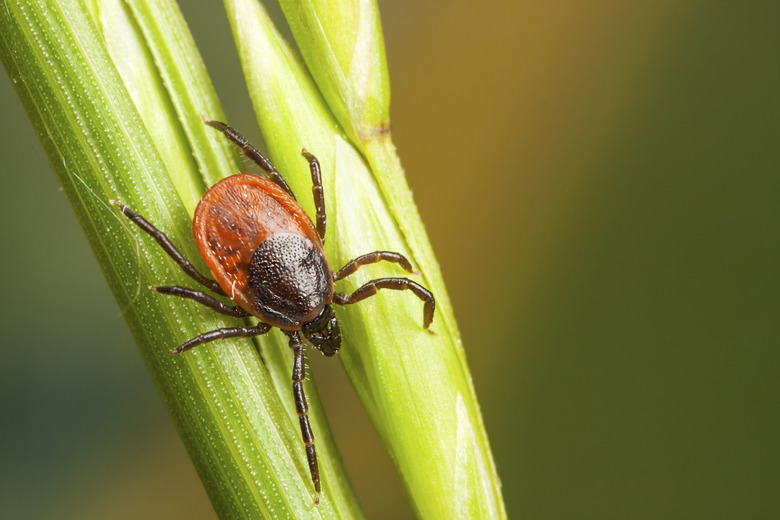
What Purpose Do Ticks Serve in the Ecosystem?
Read More -
Differences Between Ecocentric & Biocentric
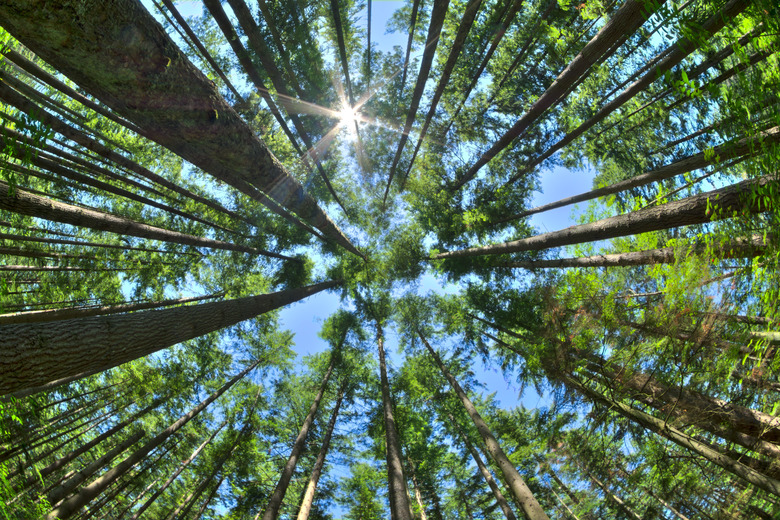
Public concern for the environment became widespread during the 1960s, after Rachel Carson wrote "Silent Spring." Since that time, several different schools of thought have emerged with regard to the environment and the role people should play within the natural world. Biocentric and ecocentric philosophies are just two of the many different theories used to discuss nature. Although the philosophies are quite similar, they vary in some significant ways.
Read More -
How Have Lions Adapted To Their Environment?
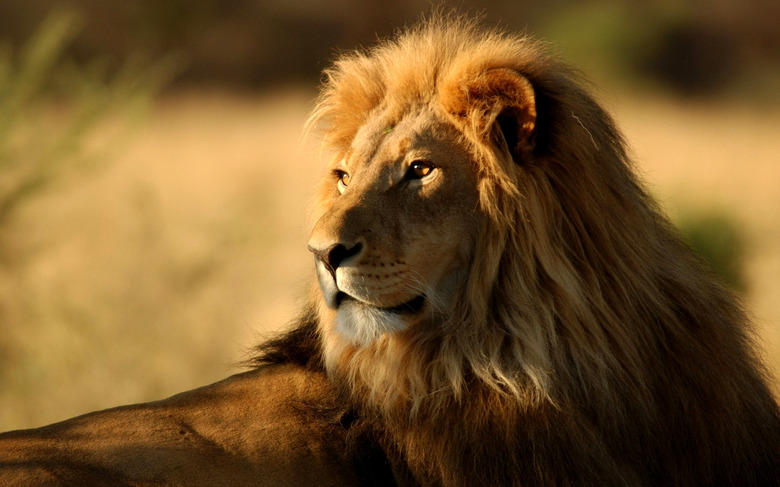
As the sun sinks low over the Serengeti, a group of female lions slink through the tall grass while stalking a herd of antelope. They hunt in the dark to stay cool, and they can eat up to 70 pounds of meat in one sitting -- an advantage for any carnivore living in an environment as hot and dry as the African savanna. Up to half of all lions live in Tanzania; only a few hundred live outside of Africa, in India's Gir Forest. All lions dwell in harsh environments, and they have adapted to survive.
Read More -

How Long Does It Take For A Glass Bottle To Degrade In A Landfill?
Glass is an incredibly stable material that degrades very slowly, if at all. Glass artifacts that date back to the 13th century B.C. have been found in areas of Egypt. Older finds may have been manufactured in what was once Mesopotamia. These discoveries show that even if glass bottles break into smaller pieces, the glass will retain its chemical composition for thousands of years. Recycling glass bottles is a good way to prevent them from languishing in landfills.
Read More -

The Disadvantages Of Deforestation
Deforestation occurs when forest land is cleared, usually to harvest the timber or clear space for agricultural operations. More than 25 percent of the land on Earth is covered by forests, but millions of hectares of this ecosystem are destroyed every year, according to the University of Michigan. Over half of the world’s forests are found in just seven countries, Brazil, Canada, China, the Democratic Republic of Congo, Indonesia, Russia, and the United States. Therefore, while the disadvantages of deforestation are felt on a global scale, the decision to clear forest land belongs to only a handful of governments.
Read More -

Simple Models For Global Warming Science Projects
The average global temperature increased by almost one degree Celsius during the 20th century and it continues to rise. That may not seem like much, but this slight change has already resulted in some major ecological consequences, including habitat loss and rising sea levels. Temperatures are expected to continue to increase, forcing countless species to adapt to new environments. Simple experiments can help you understand how global warming works and how it affects the environment.
Read More -

How Can We Actively Restore The Environment?
Human activity has several detrimental effects on the environment. The use of chemicals can damage fragile ecosystems, the garbage we produce pollutes land and water and production of the energy we use results in harmful emissions that contribute to climate change. Reversing these effects and restoring the environment is a complicated process comprised of various efforts that differ in different places and circumstances. Active restoration of the environment includes small community efforts, such as planting trees in the backyard, and large-scale efforts, such as restoring the Louisiana bayou ecosystem after Hurricane Katrina.
Read More -
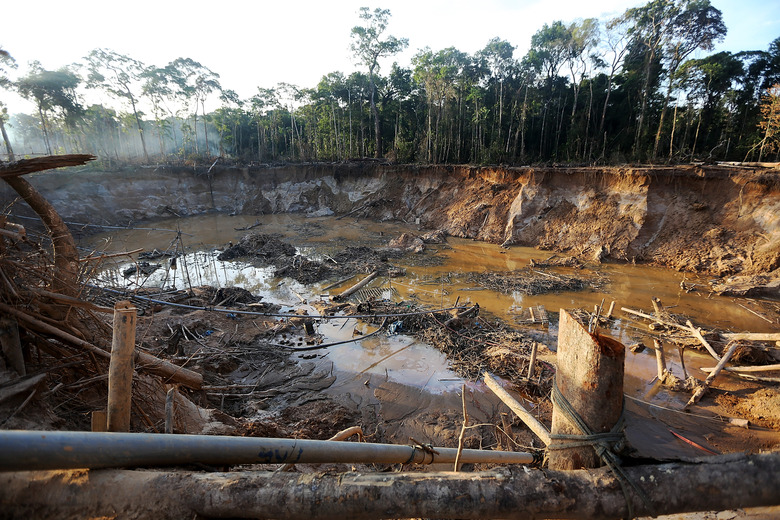
Effects Of Gold Mining On The Environment
Effects of Gold Mining on the Environment. Gold has been a popular and valuable component of jewelry for centuries. Gold is resistant to solvents, doesn't tarnish and is incredibly malleable, so it can be shaped with relative ease. Although its price fluctuates, gold regularly sells for more than $1,000 per ounce. Gold nuggets are popular among collectors but are rare; most gold is found as small particles buried in gold ore. Mining just an ounce of gold from ore can result in 20 tons of solid waste and significant mercury and cyanide contamination, according to Earthworks.
Read More -
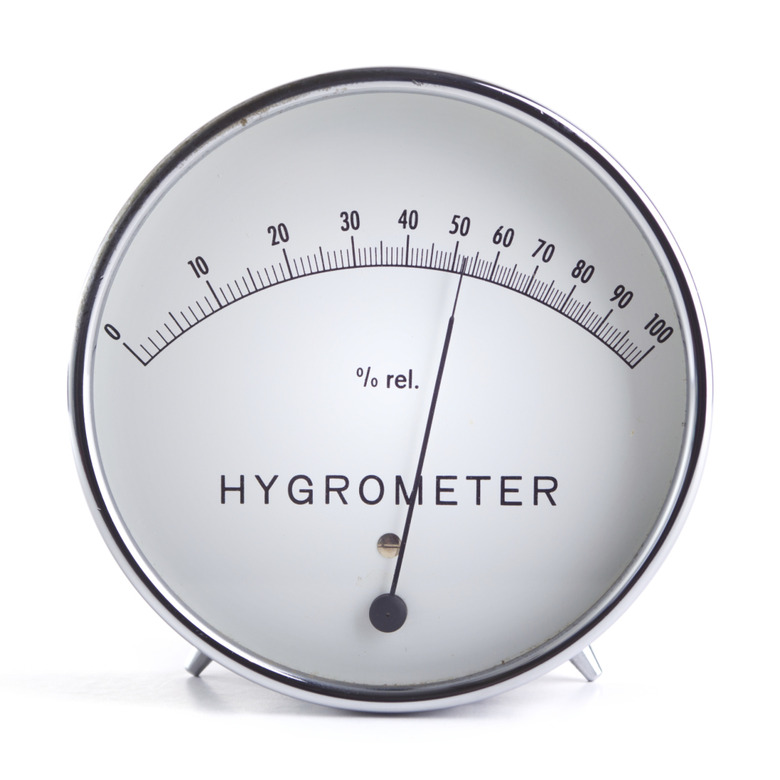
How Does Water Enter The Earth's Atmosphere?
Earth's water is constantly transitioning through the hydrologic cycle. Several natural processes cause water to change states from solid to liquid to gas. When water becomes a gas, it enters the atmosphere in one of three different ways.
Read More -

Things That Can Be Reduced, Reused Or Recycled
With a little effort, it is possible to reduce your use of most materials, even if they are not recyclable. Many materials can also be reused with a little creativity. Paper, glass, plastic, aluminum and steel are the most commonly recycled materials. Because communities have different recycling systems and requirements, check with your waste-collection company if you are unsure whether a material can be recycled in your area.
Read More -
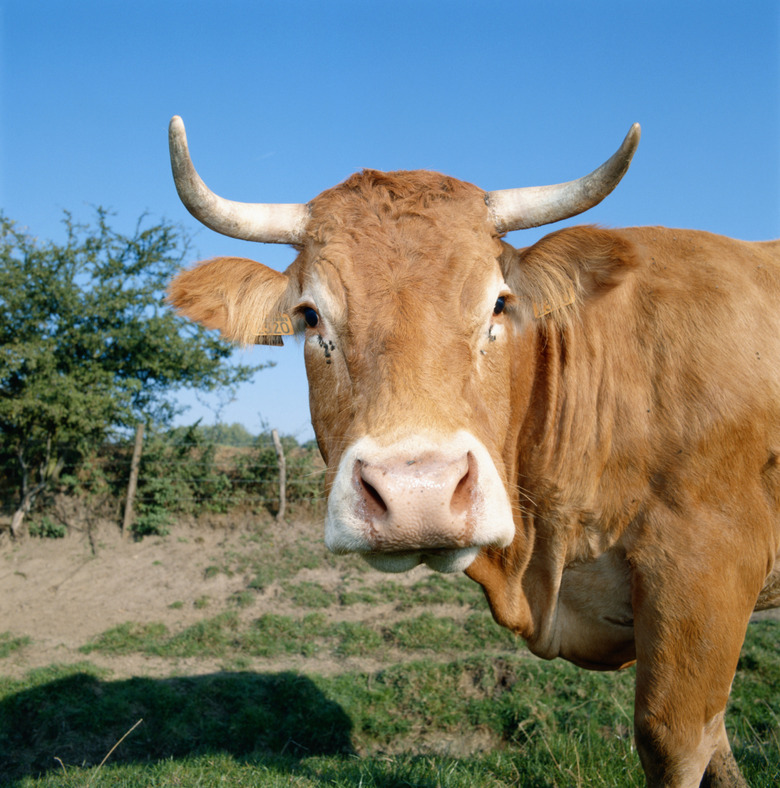
How Is Organic Beef Raised?
For more than a decade, demand for organic beef has increased. More people are interested in eating healthier food and are willing to pay more for it. To receive USDA organic certification, cattle ranchers must follow a stringent set of guidelines that eliminate synthetic chemicals, hormones and antibiotics in cattle feed and care. These regulations ensure that beef is free of chemicals and that consumers don't pay premium prices for beef that does not meet the guidelines.
Read More -
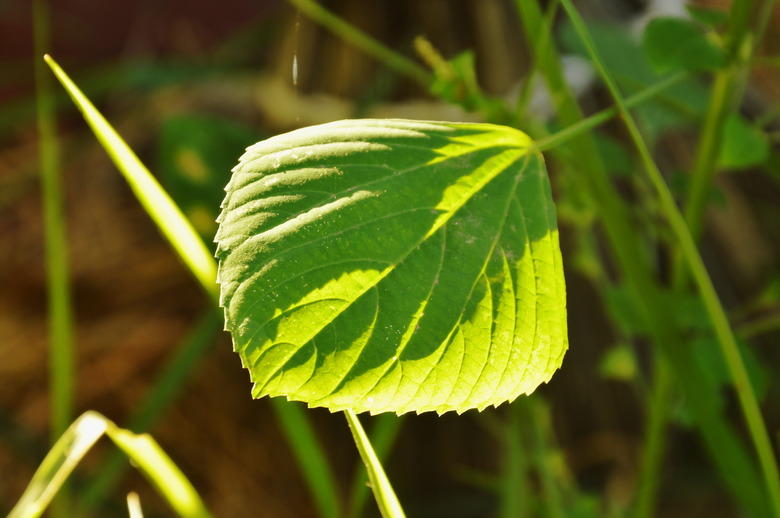
How Is Carbon Dioxide Absorbed During Photosynthesis?
Photosynthesis is the process by which plants use energy from light to convert water and carbon dioxide into sugar and oxygen. Chlorophyll, the green pigment in leaves, absorbs sunlight and uses its energy to convert six molecules of carbon dioxide and six molecules of water into one molecule of sugar and six molecules of oxygen. Plants use the sugar produced during this chemical reaction to grow. The oxygen produced by photosynthesis is released back into the atmosphere. Plants account for the majority of carbon dioxide absorbed during this process.
Read More -
How To Make A Difference With Global Warming
Global warming is the result of human activities that cause the release of carbon dioxide and other gases that trap heat in the atmosphere and cause the Earth’s temperature to rise. Carbon dioxide is the most prevalent greenhouse gas, and much of it is emitted when fossil fuels are burned for energy production. According to the EPA, greenhouse gas emissions could cause the Earth’s average temperature to rise by up to six degrees Fahrenheit over the next hundred years. A number of changes will reduce the carbon emissions that contribute to global warming.
Read More -

What Happens When We Do Not Conserve Water?
It may seem easiest just to leave the water running while you brush your teeth, but wasting all of that water has serious consequences for the environment and human health. Although water appears to be abundant, it is a limited resource and making it drinkable uses a lot of energy. Only a small proportion of Earth's water is fresh water and less than 1 percent of that is accessible for human use. If we do not conserve water, we will face disruptions in our supply of food and clean water.
Read More -
What Causes A Rain Shadow?
Mountains and other topographic features can have tremendous influence on precipitation. Rain shadows can be some of the driest places on Earth; the Atacama desert in the rain shadow of the Andes Mountains can go decades without receiving any rainfall. A number of factors including prevailing winds, topographic features and local weather patterns contribute to the formation of rain shadows, or dry regions on the protected side of some mountain ranges.
Read More -

How To Prevent A Greenhouse Effect
Greenhouses can be warm, wonderful places, but they heat up quickly and can become dangerously hot if the warm air trapped by greenhouse walls isn’t vented outside. This rapid heating is known as the greenhouse effect. Certain gases, like carbon dioxide, accumulate in the atmosphere and trap heat from the sun that is reflected by the earth’s surface. These gases act like the walls of a greenhouse, trapping heat and causing the earth’s temperature to rise. Preventing the greenhouse effect involves preventing the emission of carbon dioxide and other greenhouse gases. The greenhouse effect is a global issue that must be addressed on a global scale.
Read More -

Animals In A Temperate Climate
Temperate climates do not have extreme temperatures or precipitation levels; summers and winters are mild when compared to tropical and polar climates. This climate is typically found between 40 degrees and 70 degrees latitude. Temperate ecosystems on the coast are affected by the oceans, which help the land environment maintain consistent temperatures. Inland temperate ecosystems see a larger variation in temperature. Temperate climates are home to a wide variety of animal species. The species found in this climate vary depending on a number of environmental characteristics, including average temperature and precipitation; different temperate ecosystems are home to different species.
Read More


