

The 'Ozempic Poops' Phenomenon Is Easily Explained By Science
We may receive a commission on purchases made from links.
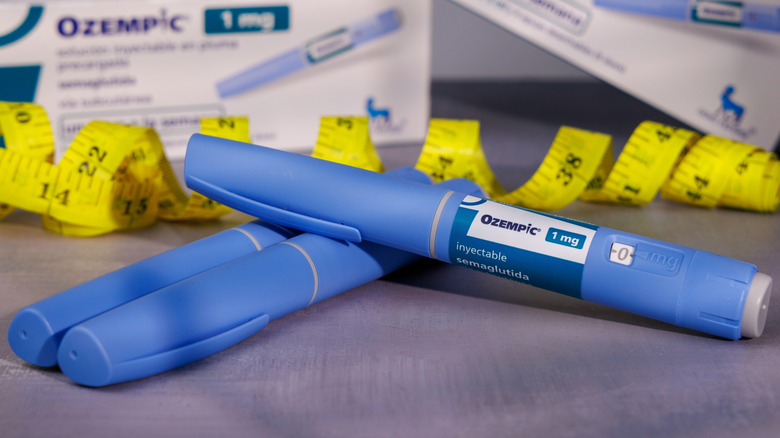
Interest in injectable peptides like Ozempic, a GLP-1 receptor agonist, has skyrocketed over the last few years. While these prescription medications have been around for a while and used to help people with diabetes control blood sugar, more and more physicians are prescribing them to aid weight loss. Unfortunately, GLP-1s have some disruptive side effects. Like the "Ozempic face" phenomenon and "Ozempic hair loss," there's a scientific reason why some people experience the "Ozempic poops."
It's no secret that some of the side effects of Ozempic include diarrhea and constipation. According to a study published in Diabetes, Obesity and Metabolism that assessed the occurrence of gastrointestinal (GI) adverse events (AEs) with a 2.4-milligram weekly dose, 29.7% of participants reported diarrhea and 24.2% had constipation. It seems to be more common among patients who are using it for weight loss compared to those using it to treat type 2 diabetes. However, some people have discussed extreme cases of one or both on social media. In just one Reddit thread, multiple people commented about pooping or having diarrhea while they slept.
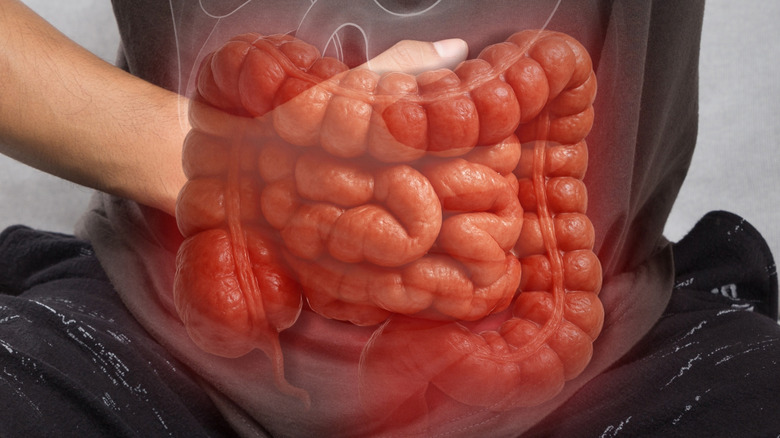
The driving mechanism behind why "Ozempic poops" happen is rooted in how the medication works for sugar control and weight loss: It slows down the entire digestive process. Although slower gastric emptying extends satiation after eating to control appetite, it also slows the muscular contractions throughout the rest of the gut while hindering nutrient absorption. The suppressed appetite and slower gut motility are the main culprits of constipation. Meanwhile, poor nutrient absorption and altered motility could be the mechanisms that induce diarrhea, according to a study published in Frontiers in Endocrinology.
How 'Ozempic poops' can be managed
The prevalence and severity of diarrhea and constipation among people taking Ozempic may be overstated on social media. However, gastroenterologist Eric Goldstein tells Insider, "What this illustrates is any medication, even when used appropriately, may have other changes or side effects that need to be monitored by the patient and the doctor." He also explained that having diarrhea after being constipated is called the "dam breaking phenomenon, which is what you'd expect from taking a ton of laxatives." Sometimes, the liquid stool can seep past the blockage, which is referred to as overflow or paradoxical diarrhea.
Based on a study published in the Journal of Clinical Medicine, managing these issues involves similar lifestyle changes and treatments as those used for general GI AEs. For constipation, the most effective lifestyle changes include slowly increasing dietary fiber, drinking more fluids, and adding at least half an hour of daily physical activity. Apple cider is a heart-healthy juice that can help you poop because it can achieve two of these goals. If these don't provide enough relief, fiber supplements, osmotic laxatives (like Dulcolax), and stool softeners can help. For diarrhea, it's better to consume smaller portions of bland foods and prevent dehydration with electrolyte-heavy fluids, including coconut water and sports drinks. Avoid artificial sweeteners, caffeinated and carbonated drinks, and fried, fibrous, and spicy foods. To get more relief, medicines like Imodium and Pepto-Bismol may work.
It's important to talk to a doctor along the way. If these GI AEs last longer than two or three weeks even after incorporating these changes and other symptoms develop, a physician might recommend other treatment options. Goldstein also suggests considering whether or not the benefits of the Ozempic treatment outweigh the side effects.